
Can Window Film Block Heat Without Darkening Rooms? A West Palm Beach Homeowner's Guide
Yes, window film can block a significant amount of solar heat without making your rooms noticeably darker. Modern clear and spectrally selective window films are designed to reduce heat entering through glass while allowing natural daylight to pass through. That means you can enjoy brighter living spaces, clearer outdoor views, and improved indoor comfort without the dark appearance of traditional window tint.
For homeowners in West Palm Beach, FL, and surrounding South Florida communities, this technology is particularly valuable. Intense sunshine, high temperatures, and long cooling seasons can make rooms with large windows uncomfortable, even when the air conditioning is running.
At Solar X of the Palms, we've been helping South Florida property owners improve comfort through professional window tinting since 1972. As an authorized LLumar and Vista window film dealer, we offer residential and commercial solutions designed to reduce heat, control glare, protect interiors, and maintain the natural appearance of your windows.
How Does Window Film Block Heat Without Blocking Natural Light?
Heat-rejecting window film works by controlling which portions of the sun's energy pass through your glass.
Sunlight contains three important components:
- Visible light: The daylight that illuminates your home and allows you to see outdoors.
- Infrared radiation: An important contributor to solar heat gain.
- Ultraviolet radiation: A contributor to fading and deterioration of furniture, flooring, and fabrics.
Advanced window films use specialized coatings and materials to selectively reflect or absorb portions of solar energy while transmitting much of the visible light.
This technology allows certain nearly invisible films to reduce solar heat gain without substantially changing how bright a room looks.
What Is Visible Light Transmission (VLT)?
Visible Light Transmission, or VLT, measures the percentage of visible light that passes through glass or a window film system.
A higher VLT generally means a brighter appearance.
For example, a film with 70% VLT allows approximately 70% of visible light to pass through the film under standardized testing conditions. The final amount passing through an installed window depends on the existing glass.
However, VLT alone doesn't tell you how effectively a film controls heat.
For that, another measurement is essential: Total Solar Energy Rejected (TSER).
Why Total Solar Energy Rejected Matters
TSER measures the percentage of total solar energy rejected by a glazing system.
A film with high visible light transmission and strong solar energy rejection can provide meaningful heat control while preserving daylight.
When comparing products, look at both VLT and TSER rather than choosing a film based on darkness alone.
What Types of Window Film Reduce Heat Without Darkening Rooms?
Several modern window film technologies offer heat reduction with minimal changes to your windows' appearance.
1. Spectrally Selective Window Film
Spectrally selective window film is one of the best options for homeowners who want heat reduction without sacrificing natural light.
These films are engineered to manage different wavelengths of sunlight selectively.
They can allow a substantial percentage of visible light into a room while rejecting portions of the solar energy responsible for unwanted heat gain.
Vista spectrally selective films, available through Solar X of the Palms, are designed for applications where maintaining the appearance of existing glass is especially important.
They're particularly suitable for living rooms, large picture windows, waterfront properties, and homes with scenic outdoor views.
2. Ceramic Window Film
Ceramic window film uses advanced ceramic-based technology to manage solar energy while maintaining a relatively neutral appearance.
Vista Ceramic Series films offer low reflectivity and are designed to minimize changes to the exterior appearance of windows.
They can also help reduce glare and ultraviolet exposure.
For coastal South Florida properties, corrosion-resistant ceramic films can be particularly appealing because of their suitability for environments exposed to salt air.
3. Clear and Nearly Invisible Solar Window Film
Clear solar-control films are designed for property owners who prefer to preserve the appearance of untreated glass.
Some products offer meaningful solar heat rejection while remaining difficult to notice once installed.
However, not every clear film provides the same performance.
Certain clear products focus primarily on ultraviolet protection, while advanced spectrally selective products provide additional solar heat control.
Choosing the correct film depends on your windows, sun exposure, and comfort goals.
Clear vs. Dark Window Film: Which Blocks More Heat?
A common misconception is that darker window tint automatically provides better heat rejection.
In reality, a high-performance light film can outperform a basic dark film because solar control depends on film technology, not simply its shade.
| Feature | Clear or spectrally selective film | Traditional dark film |
|---|---|---|
| Natural daylight | Preserves more light | Reduces more light |
| Solar heat rejection | Can be substantial | Varies by product |
| Outdoor visibility | Generally excellent | Reduced, especially at night |
| Exterior appearance | Minimal change | Noticeably darker |
| Glare reduction | Moderate, depending on film | Often stronger |
| Privacy | Limited with lighter films | Greater daytime privacy possible |
| Ideal application | Bright living spaces and scenic views | Privacy and stronger glare control |
If your primary goal is reducing heat while keeping your home bright, a spectrally selective or high-performance ceramic film may be the better choice.
If privacy or significant glare reduction matters more, a darker film may be appropriate.
At Solar X of the Palms, we help homeowners compare these priorities before selecting a product.
Why Is Heat-Blocking Window Film Especially Useful in West Palm Beach?
South Florida's climate creates year-round challenges for homeowners trying to maintain comfortable indoor temperatures.
In West Palm Beach, Jupiter, Palm Beach Gardens, Boca Raton, and nearby communities, prolonged sunshine can cause substantial heat buildup through untreated windows.
Reduce Hot Spots Near Windows
Have you ever noticed that one room feels significantly warmer than the rest of your house?
Large windows, sliding glass doors, and west-facing glass can allow considerable solar heat to enter during peak sunlight hours.
Heat-rejecting window film helps reduce this solar heat gain, making spaces near windows more comfortable.
Help Your Air Conditioning Work More Efficiently
When solar heat enters through windows, your air conditioning system must remove that additional heat to maintain the desired indoor temperature.
By reducing unwanted solar heat gain, window film can help decrease cooling demand.
Actual energy savings depend on factors such as window size, glass type, building insulation, shading, thermostat settings, and air conditioning efficiency.
Protect Furniture, Flooring, and Interior Finishes
Florida's sunlight can also contribute to premature fading of interior materials.
Many premium residential window films block more than 99% of ultraviolet radiation, helping protect furniture, hardwood floors, carpets, and decorative fabrics.
UV protection is an important benefit, although visible light, heat, and other environmental factors can also contribute to fading.
Which Rooms Benefit Most From Clear Heat-Rejecting Window Film?
Not every room experiences the same level of solar exposure. Identifying the most uncomfortable areas can help homeowners prioritize their window film investment.
Living Rooms and Family Rooms
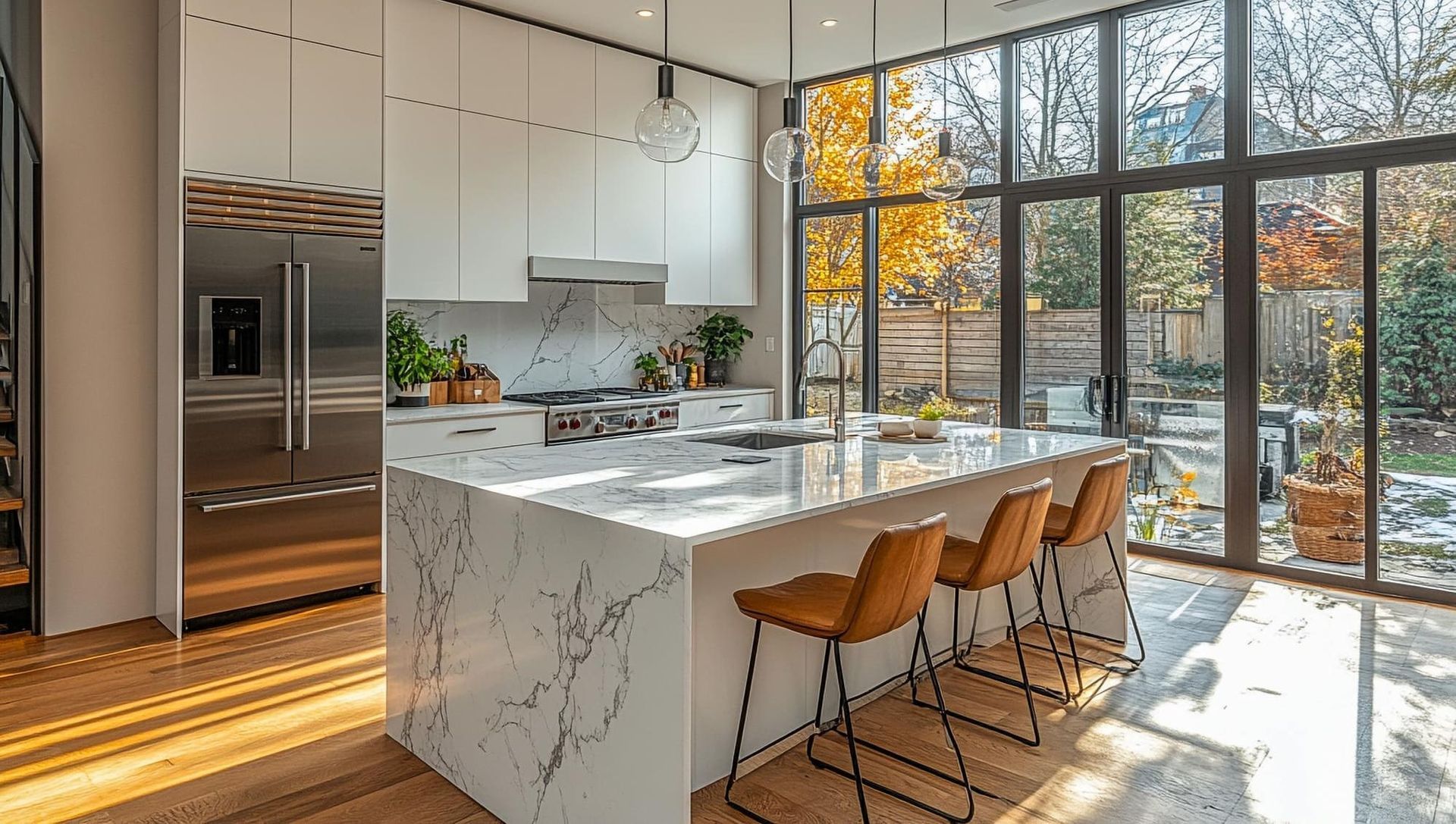
Living rooms often feature large windows designed to maximize natural light.
Spectrally selective film can help reduce solar heat while preserving the open, welcoming atmosphere that makes these spaces enjoyable.
Bedrooms With Afternoon Sun
West-facing bedrooms can become particularly warm during late afternoon hours.
Heat-rejecting film may help reduce temperature fluctuations and improve comfort without requiring blackout curtains throughout the day.
Home Offices and Sunrooms
Sunrooms and home offices often experience uncomfortable heat and distracting screen glare.
A carefully selected film can improve comfort while maintaining enough daylight for working, reading, and everyday activities.
However, homeowners seeking substantial glare reduction should understand that very light films generally reduce less visible glare than darker alternatives.
How Is Residential Heat-Blocking Window Film Installed?
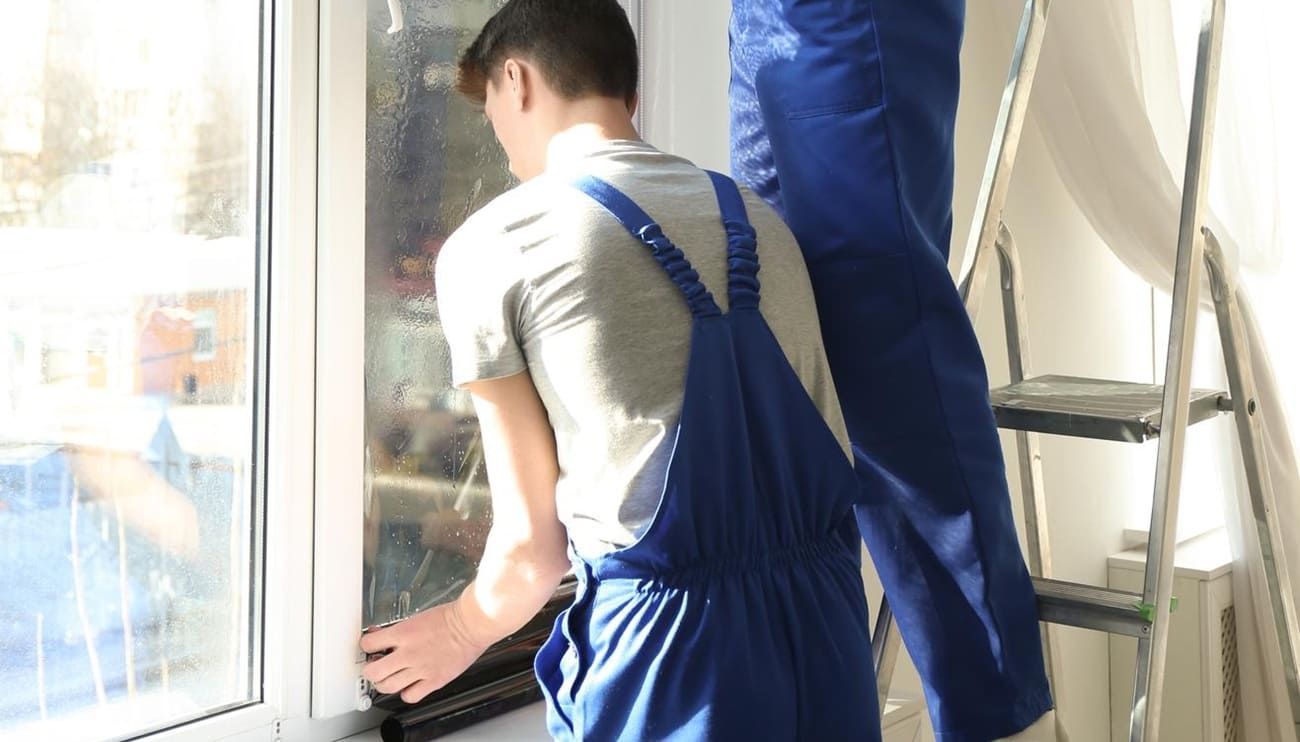
Professional installation helps ensure the selected film performs properly and maintains a clean appearance.
At Solar X of the Palms, we offer free in-home and on-site estimates to help property owners choose suitable solutions.
Step 1: Evaluate Your Windows and Sun Exposure
The process begins with evaluating your windows, their orientation, and the problems you want to address.
We consider factors such as excessive afternoon heat, uncomfortable glare, fading concerns, and the importance of preserving outdoor views.
Step 2: Select a Compatible Window Film
Different glass types require different considerations.
Double-pane windows, insulated glass units, and certain coated glass systems must be evaluated for compatibility with the selected film.
The goal is to achieve effective solar control without creating unnecessary thermal stress or compromising glass performance.
Step 3: Prepare and Apply the Film
The glass is thoroughly cleaned before the film is carefully positioned and applied.
Professional installation techniques help minimize trapped contamination, visible imperfections, and uneven edges.
Step 4: Allow the Film to Cure
After installation, some temporary moisture or haziness may be visible.
This typically improves as the film dries and cures. The required time varies depending on the film, weather conditions, and installation environment.
Your installer will explain when to clean the windows and which maintenance products are appropriate.
How Much Does Heat-Blocking Window Film Cost in South Florida?
Residential window film pricing depends on the size and number of windows, film technology, glass accessibility, and installation complexity.
Premium spectrally selective and ceramic films may cost more than basic solar-control films because of their advanced performance characteristics.
When comparing quotes, consider the film's solar heat rejection, visible light transmission, warranty, and compatibility with your existing glass.
A lower initial price does not necessarily represent better long-term value.
At Solar X of the Palms, we provide free estimates so homeowners can explore appropriate options and understand the investment before scheduling installation.
Frequently Asked Questions About Heat-Blocking Window Film
Can completely clear window film really block heat?
Yes. Advanced clear and nearly invisible films can reduce solar heat gain while transmitting substantial visible light. Performance varies by product, so compare Total Solar Energy Rejected ratings rather than appearance alone.
Will heat-rejecting window film make my house darker?
Not necessarily. High-VLT films are designed to preserve natural daylight. However, every film has a measurable light transmission rating, and even clear-looking films may cause a subtle change in brightness or appearance.
Does ceramic window film work better than regular tint?
Ceramic films can offer excellent heat rejection with relatively low reflectivity and a neutral appearance. However, performance depends on the specific product. Some spectrally selective films may provide better daylight transmission for particular applications.
Can window film reduce air conditioning costs?
Yes, reducing solar heat gain can lower cooling demand and potentially reduce energy costs. Savings vary depending on window exposure, building characteristics, existing glass, and air conditioning usage.
Does clear window film provide privacy at night?
No. Clear window film generally provides little privacy. When interior lights are on after dark, people outside may still see into the room. Homeowners needing nighttime privacy should consider curtains, blinds, or other suitable solutions.
Is window film safe for double-pane windows?
Certain films are compatible with double-pane windows, but not every product is suitable for every glass system. A professional should evaluate the glass construction, existing coatings, and film specifications before installation.
How long does residential window film last?
Quality residential window film can provide many years of performance. Longevity depends on the product, installation quality, environmental exposure, and maintenance. Manufacturer warranty terms vary by film.
Where can I get clear heat-rejecting window film near West Palm Beach?
Solar X of the Palms provides residential and commercial window film installation throughout West Palm Beach, Palm Beach Gardens, Jupiter, Wellington, Boca Raton, Boynton Beach, Delray Beach, and surrounding South Florida communities.
Keep Your Home Cooler Without Sacrificing Natural Light
You shouldn't have to choose between a bright, welcoming home and comfortable indoor temperatures.
Modern spectrally selective and ceramic window films make it possible to reduce unwanted solar heat while preserving the natural light and outdoor views you enjoy.
For South Florida homeowners, the right film can help improve everyday comfort, reduce glare, protect interior furnishings, and potentially lower cooling costs.
At Solar X of the Palms, we've served the West Palm Beach area since 1972. As an authorized LLumar and Vista window film dealer, we offer professional installation and a range of residential solar-control solutions tailored to your property's needs.
Whether you're dealing with an overheated living room, uncomfortable afternoon sunlight, or excessive cooling costs, our team can help you find a solution without unnecessarily darkening your windows.
Call Solar X of the Palms at (561) 833-0088 or visit www.solarxofthepalms.com to request your free in-home window film estimate.
Our location is 3640 Investment Lane,
West Palm Beach, FL 33404. We proudly serve homeowners and businesses throughout Palm Beach County and surrounding South Florida areas.