
Does Ceramic Tint Affect Tesla Sensors in 2026?
Does ceramic tint affect Tesla sensors in 2026? For most Tesla owners and EV drivers in West Palm Beach and across Palm Beach County, the practical answer is no when you choose a premium, non-metal ceramic window film and have it installed correctly. Tesla ownership is surging across South Florida, and window tinting is one of the most popular upgrades because it fights brutal cabin heat, reduces glare, and blocks UV exposure that can fade interiors and fatigue drivers. Still, many Tesla owners hesitate, because Teslas rely on advanced driver assistance, multiple cameras, and constant connectivity. The concern is understandable: “Will tint interfere with Autopilot cameras, radar, ultrasonic parking sensors, or in-car electronics?” The key is understanding how film technology works, where sensors sit, and what a professional installer does to preserve clarity and avoid signal issues. Properly installed ceramic tint is generally considered safe, but results depend on film type, placement, and installer skill.
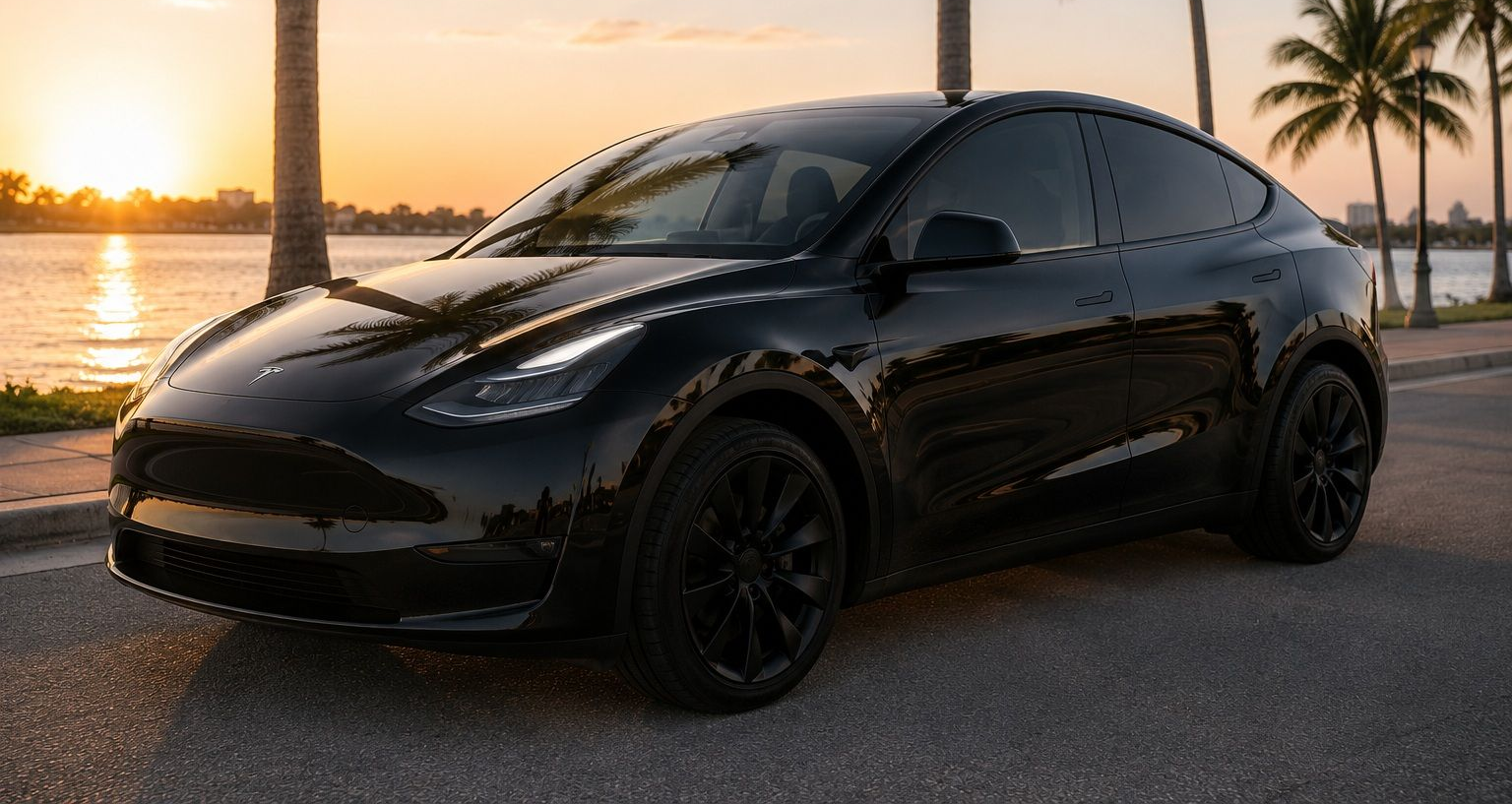
Table of Contents
- 1. How Tesla’s Autopilot and Sensor System Works (And Why Tint Matters)
- 2. Does Ceramic Window Tint Interfere With Tesla Cameras and Sensors?
- 3. Which Window Tint Films Are Safe for Tesla Vehicles in 2026?
- 4. Metalized and Reflective Tints: Why Tesla Owners Should Avoid Them
- 5. Florida Tint Laws and What Tesla Owners in West Palm Beach Need to Know
- 6. What to Expect When Getting Your Tesla Tinted Professionally in West Palm Beach
- 7. Why Choosing a Certified and Experienced Installer Matters for Tesla Tint
1. How Tesla’s Autopilot and Sensor System Works (And Why Tint Matters)
When people search does ceramic tint affect Tesla sensors , they are usually trying to protect two things: (1) their driver-assistance performance and (2) their vehicle’s connectivity. The good news is that window tint is not mysterious tech. It is a layer applied to glass that changes how light and heat move through the window. The risk, when it exists, is typically tied to poor film choice (especially metalized film) or poor installation , not ceramic film as a category.
What parts of a Tesla actually “see” the road
Tesla vehicles use cameras mounted around the vehicle to support driver-assistance functions. Those cameras are not covered by your side-window film. However, some decisions can affect what you see through the glass, and visibility always matters for safe driving. In West Palm Beach storms, night glare, and heavy rain, you want a film that stays clear and does not introduce distortion.
Why Tesla owners mention radar and ultrasonic sensors
Tesla configurations vary by model and year, but owners frequently ask about “radar” and ultrasonic parking sensors because they want confidence that nothing will interfere with distance sensing or proximity alerts. In practice, most parking and proximity sensors are positioned in exterior locations, not behind tinted door glass. That means your tint choice is more about signal friendliness and optical clarity than physically blocking a sensor.
The connectivity layer: GPS, LTE, Wi‑Fi, and Bluetooth
Teslas depend on wireless systems for navigation, streaming, software updates, phone pairing, and app functions. If a film contains metal layers, it can reduce signal strength. In Palm Beach County, signal strength can vary near the coast, inside parking garages, and in dense retail areas. For a connected EV, it is safer to choose a non-metal film so you do not add extra signal loss on top of normal variability.
Why Florida heat changes the tint conversation
In South Florida, the primary reason drivers invest in tint is not aesthetics. It is comfort. Cabin heat loads rise quickly, especially in stop and go traffic near I-95, Okeechobee Boulevard, and during errands in Boca Raton or Delray Beach. A film that blocks heat effectively at legal VLT levels is the real win for most Tesla owners.
2. Does Ceramic Window Tint Block or Interfere With Tesla Cameras and Sensors?
Direct answer for searchers: High-quality ceramic window tint is generally considered safe for Tesla sensors and electronics when installed correctly. Most stories about “interference” trace back to metalized film, poor optical quality, or workmanship problems.
Does ceramic tint affect Tesla Autopilot cameras?
For side windows, ceramic tint does not cover the camera lenses and typically does not interfere with external camera function. Where owners should be more thoughtful is the windshield area. Florida restricts windshield tinting to a non-reflective strip above the AS-1 line, so most of your windshield remains untinted. If you are shopping for a clear heat-control solution, insist on a film known for strong optical clarity and have it installed by a shop familiar with Tesla camera housing areas.
Does ceramic tint interfere with radar sensors or ultrasonic parking sensors?
Window film is applied to window glass, while many sensing components are mounted in exterior areas. That is why the practical risk is low. The bigger “electronics” question is usually about signal performance. Ceramic films are typically non-metal, so they are generally seen as safer for connectivity than metalized films.
Does ceramic tint affect in-car electronics or wireless performance?
Ceramic tint is often chosen precisely because it can deliver high heat rejection without metal layers. In other words, it is built to be signal-friendly . If you have ever experienced weak reception in a garage in Palm Beach Gardens or in a dense retail zone in Boynton Beach, you already know signal strength varies. A non-metal ceramic film helps you avoid making that variability worse.
What actually causes problems after a tint job
- Metalized or reflective film selection leading to reduced signal strength.
- Haze or distortion from low-grade film or improper shrinking and shaping.
- Contamination such as dust, hair, or debris trapped under film.
- Edge lifting that starts small and worsens in Florida heat.
- Bad expectations about curing time in humid coastal conditions.
3. Which Window Tint Films Are Safe for Tesla Vehicles in 2026?
If you want a simple decision rule for 2026: for EVs, prioritize non-metal films with strong heat performance. This is why searches like Tesla window tinting West Palm Beach and ceramic tint safe for Tesla Autopilot usually point to ceramic first, carbon second, and metalized last.
Comparison table: Ceramic vs Metalized vs Carbon for Tesla vehicles
| Film Type | Signal and sensor interference risk | Heat rejection performance | UV protection level | Infrared (IR) rejection | Visibility and optical clarity | Florida legal compliance | Recommended for Tesla? |
|---|---|---|---|---|---|---|---|
| Ceramic | Low (non-metal) | High | Typically very high (often marketed up to 99%) | High | High when premium film is used | Yes, with correct VLT selection | Yes . Best overall for Florida heat and EV connectivity |
| Metalized | Higher (metal can reduce wireless performance) | Medium to high | Varies | Varies | Can increase reflectivity | Sometimes. Reflectivity rules apply | No . Avoid for most Teslas due to connectivity concerns |
| Carbon | Low to medium (usually non-metal, confirm specs) | Medium | Often high, depends on brand | Medium | Good, varies by quality | Yes, with correct VLT selection | Yes . A solid non-metal option, often less heat control than ceramic |
LLumar ceramic films vs standard dyed films for Tesla owners
Many drivers compare a premium ceramic product to a basic dyed film and wonder if the price difference is worth it. In Florida, where heat is the main problem, premium ceramic often wins on comfort. Solar X of the Palms is an authorized LLumar dealer and a Vista Window Film dealer, so Tesla owners who want a trusted, signal-safe solution often start there.
| Category | LLumar ceramic (premium) | Standard dyed film |
|---|---|---|
| Sensor safety and signal friendliness | Non-metal construction, commonly selected for connected EVs | Often non-metal, but performance and clarity vary widely |
| Heat performance in Florida | High heat and IR rejection at legal VLT levels | Lower heat rejection, comfort comes mainly from reduced brightness |
| Warranty coverage | Manufacturer-backed warranty (varies by product line) | Often limited, may be shop-only |
| Long-term value | Higher upfront cost, better comfort and longevity | Lower upfront cost, may fade or underperform sooner |
Featured snippet style takeaway
- Best for Teslas in Florida: non-metal ceramic tint.
- Best for budget while staying non-metal: carbon tint.
- Most likely to cause signal issues: metalized or highly reflective tint.
4. Metalized and Reflective Tints: Why Tesla Owners Should Avoid Them
Direct answer: Tesla owners should usually avoid metalized and highly reflective tints because metal layers can reduce wireless signal performance and reflectivity can introduce unwanted glare and visibility issues.
Metal layers and “signal interference” explained simply
Metal is conductive. When a film includes metal, it can reflect and absorb some radio frequencies. That effect can be subtle or noticeable depending on the vehicle, the film, and the local environment. The safest approach for a connected EV is to avoid metal in the film altogether.
Why reflectivity can also create legal and visibility issues
Florida has reflectivity limits, and some reflective films can push toward that boundary. Reflective films can also increase internal reflections, especially at night, which matters when you are trying to maintain maximum visibility in heavy rain or on dark roads outside Jupiter or Lake Worth.
How to spot “too good to be true” tint offers
- They cannot name the film brand or provide warranty details.
- They market “ceramic” but it looks metallic or mirror-like.
- They push extremely dark tint for the front windows without discussing Florida legal limits.
5. Florida Tint Laws and What Tesla Owners in West Palm Beach Need to Know
Direct answer: Florida tint laws focus on VLT and reflectivity. Staying legal matters because it protects visibility and avoids tickets, and it also helps ensure your Tesla remains practical for daily driving and night conditions.
Florida passenger vehicle VLT limits (2026)
- Front side windows: 28% VLT or more.
- Rear side windows: 15% VLT or more.
- Rear window: 15% VLT or more.
Windshield tint in Florida
Florida allows a non-reflective tint strip above the manufacturer’s AS-1 line , or the top 5 inches if the AS-1 line is not marked. Full windshield tint below the AS-1 line is not generally permitted. If you want glare control, that legal strip is the common solution.
Reflectivity limits
- Front side windows: up to 25% reflective.
- Rear side and rear windows: up to 35% reflective.
Medical exemptions
Florida offers medical exemptions for qualifying conditions. This usually involves a physician statement and documentation. If you have an exemption, keep proof in your vehicle and discuss it with your installer before you choose tint percentages.
People Also Ask: does “factory tint” count?
Some vehicles have factory privacy glass, particularly on rear windows. Factory privacy glass can help with brightness but does not necessarily provide the same heat rejection as a premium film. A professional tint shop should measure your current glass with a meter and then recommend a legal upgrade path.
6. What to Expect When Getting Your Tesla Tinted Professionally in West Palm Beach
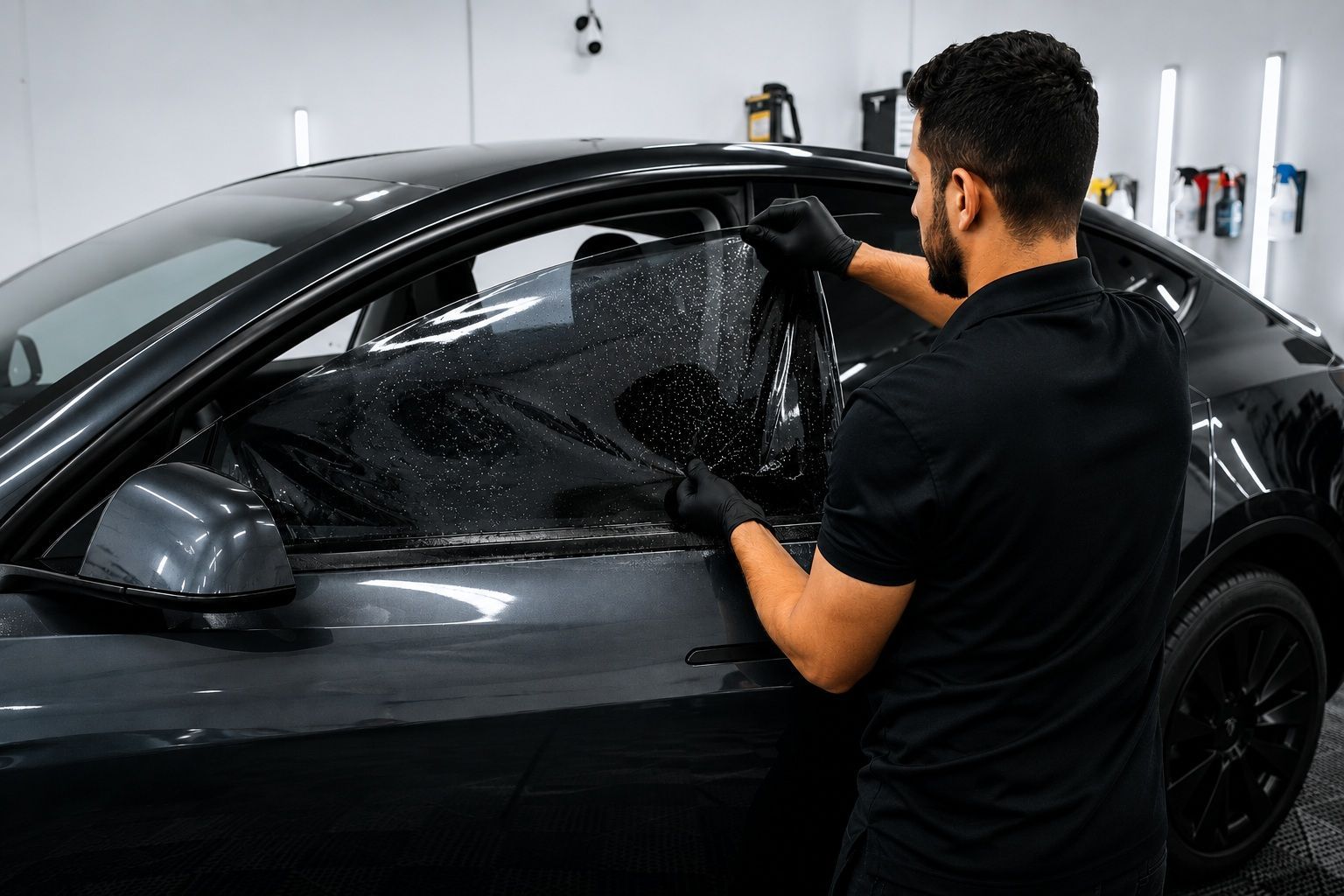
Direct answer: A professional Tesla tint job should include film education, Florida legal guidance, careful installation, and clear curing instructions. If you are comparing shops in West Palm Beach, Boca Raton, or Boynton Beach, judge them by process and transparency, not by price alone.
Step-by-step: what a high-quality Tesla tint appointment includes
- Consultation: discuss heat goals, privacy needs, and night visibility preferences.
- Film selection: choose a non-metal ceramic film if you want the best heat performance and signal safety.
- Legal planning: confirm VLT targets for each window and verify reflectivity compliance.
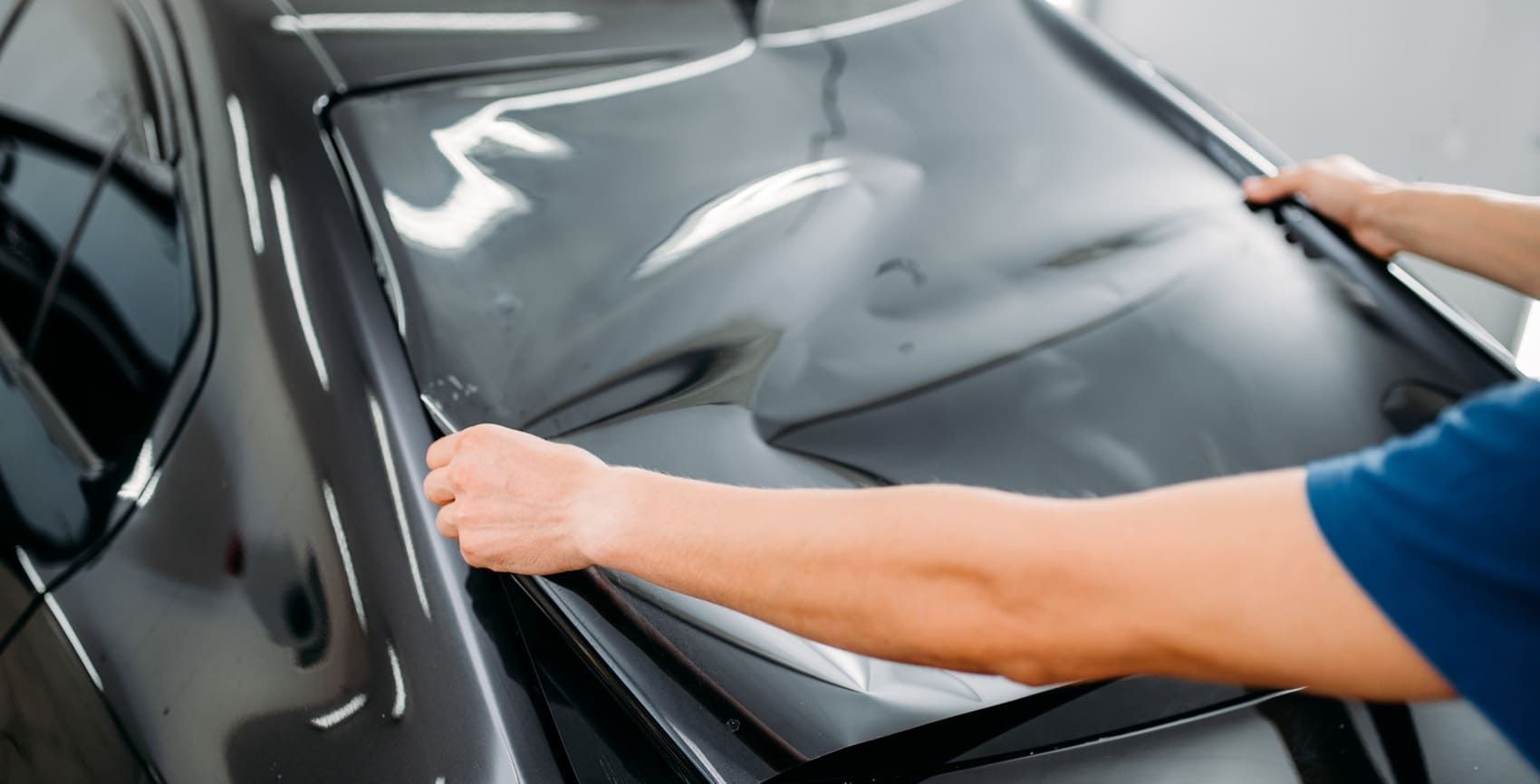
- Preparation: intensive glass cleaning to protect clarity.
- Installation: precise shaping and edge finishing that stands up to Florida heat.
- Final check: inspect for debris, fingers, and edge issues before you leave.
- Curing guidance: understand what is normal during cure and what is not.
What to expect during curing in South Florida
Humidity and heat influence how tint cures. It is normal to see minor moisture patterns early on. A professional shop will explain what to expect and when to call back if something does not look right.
Local comfort strategy for Tesla owners
Most Tesla owners in Palm Beach County choose tint for comfort first. A well-chosen ceramic film can make a noticeable difference in cabin feel during short trips around Lake Worth, Delray Beach, and Palm Beach Gardens, where stop and go driving loads the cabin quickly.
7. Why Choosing a Certified and Experienced Installer Matters for Tesla Tint
Direct answer: The installer is the difference between a premium, clear, long-lasting result and a tint job that looks hazy, peels, or creates complaints about “sensor issues.” On Teslas, where drivers care about clarity and technology, experience matters.
Why workmanship affects “sensor interference” perceptions
Many “sensor interference” stories are really about visibility. Dust under film, poor shrinking, and uneven application can create distortion that owners notice immediately. That is why the shop you pick matters as much as the film itself.
Questions to ask before you book
- Is the film non-metal and appropriate for connected EVs?
- Are you a certified dealer for reputable films like LLumar ceramic?
- Will the install be Florida-legal for VLT and reflectivity?
- What warranty coverage do I receive?
FAQ (exactly 10 questions)
Does ceramic window tint interfere with Tesla Autopilot cameras?
Ceramic tint is generally considered safe and unlikely to interfere when it is non-metal, high-clarity, and installed correctly.
Can you tint a Tesla Model 3, Model Y, or Model S windshield in Florida?
Florida typically allows only a non-reflective strip above the AS-1 line (or top 5 inches). Tint below that line is restricted.
What window tint is best for a Tesla in Florida heat?
Premium ceramic tint is often best because it provides high heat and IR rejection while staying non-metal and signal-friendly.
Will window tint affect my Tesla's radar or ultrasonic sensors?
Window tint is applied to glass and usually does not sit between exterior sensors and the road. Non-metal film is the safest choice for electronics peace of mind.
Does metalized tint block Tesla's GPS or phone signal?
It can. Metal layers may reduce wireless signal strength, especially in weak-signal areas.
Is ceramic tint worth it for Tesla owners in South Florida?
For many drivers, yes. The comfort improvement in Florida heat plus UV protection and long-term value often justify the cost.
What are Florida's legal tint limits for Tesla vehicles in 2026?
Passenger vehicle limits are 28% VLT or more on front side windows and 15% VLT or more on rear side and rear windows. Windshield tint is limited to a legal strip above the AS-1 line.
How much does it cost to tint a Tesla in West Palm Beach?
Cost depends on model, film type, and whether you tint the roof. Ceramic films typically cost more than dyed or carbon because of performance and warranty.
How long does ceramic window tint last on a Tesla in Florida's climate?
High-quality ceramic tint can last for years. Longevity depends on the film, professional installation, and proper curing and care.
Should I get the Tesla glass roof tinted and is it safe to do so?
Many owners tint the roof for comfort. It is safest with an experienced installer using film designed for that glass typ
Conclusion
For Tesla owners in West Palm Beach, Boca Raton, Boynton Beach, Jupiter, Delray Beach, Palm Beach Gardens, and Lake Worth, ceramic window tint is the safest and highest-performing choice for Florida’s heat. It delivers strong comfort and UV protection while avoiding the metal layers most associated with connectivity problems. Metalized and low-quality films should be avoided on any modern vehicle with advanced driver assistance and heavy connectivity, especially EVs.
To protect your Tesla’s clarity, electronics, and long-term comfort, choose a professional installation and a trusted film line. Solar X of the Palms is an authorized LLumar dealer and Vista Window Film dealer, and has been West Palm Beach’s most trusted window tinting company since 1972 .Contact Solar X of the Palms for a free auto window tinting estimate using LLumar ceramic window films, and get your Tesla tinted safely, legally, and correctly for South Florida driving.