
Is Windshield Tint Legal in Florida and What’s Allowed?
Windshield tint laws in Florida can feel confusing because the rules are written around both
where tint is placed and
how much light the glass must transmit. Drivers often hear advice like “it’s fine if it’s clear” or “everyone does it,” then find out during a traffic stop that an installation is not compliant. The result can be an expensive citation, time spent removing film, and the headache of re-tinting the right way. In Palm Beach County, where bright sun, glare, and heat are everyday realities, it is normal to want a windshield tint for comfort. The key is understanding what is legally allowed, what “AS-1 line windshield tint” actually means, and how Visible Light Transmission (VLT) is measured and enforced. This guide breaks down the
Florida windshield tint law in plain language so West Palm Beach drivers can choose compliant options and avoid costly mistakes.

Table of Contents
- How Florida Windshield Tint Laws Are Structured
- What the AS-1 Line Means for Legal Visor Strips
- Is Full Windshield Tint Allowed in Florida?
- VLT Requirements and How Tint Is Measured
- Medical Exemptions and Required Documentation
- Penalties for Illegal Windshield Tint in Florida
- Compliant Ceramic Windshield Tint for Heat and Glare
- FAQ: Florida Windshield Tint Rules in Real Life
- Conclusion and Next Steps for West Palm Beach Drivers
How Florida Windshield Tint Laws Are Structured
Florida’s window tint rules are designed to balance driver comfort with roadway visibility and law enforcement safety. When people ask, “Is windshield tint legal in Florida?” the most important detail is that Florida treats the windshield differently than side windows and rear glass. The law is structured around:
- Location rules : which areas of the windshield can have film.
- Light transmission rules : how much visible light must pass through the glass and film together.
- Reflectivity and material rules : whether the film creates excessive reflectivity.
- Exemptions : circumstances where additional tint can be permitted for medical reasons.
For most drivers in
West Palm Beach and Palm Beach County, compliant windshield tinting typically means a
visor strip at the top of the windshield (above the AS-1 line), plus legal tint on the side and rear windows based on vehicle type. A key reason confusion happens is that some films are marketed as “clear ceramic” or “high clarity,” which sounds like it should be legal everywhere. In Florida, clarity and legality are not the same thing. A film can be very clear and still be illegal if it is placed in an area not permitted by the law.
Another source of confusion is that factory glass often has a slight tint or shading band near the top. Drivers may assume that adding film over other areas is similar, but aftermarket tint is evaluated separately. If you want accuracy, focus on the
legal placement rules first, then choose a film type that meets your performance goals.
What the AS-1 Line Means for Legal Visor Strips
The AS-1 line is a marking found on many windshields that helps define where a legal sun visor strip can end. You might see it etched near the top corners of the windshield as part of the manufacturer markings. The concept is simple: the AS-1 line represents the boundary above which a visor strip may be allowed.
What “AS-1 line windshield tint” usually means in practice:
- The film can be installed on the upper portion of the windshield.
- The film should not extend below the AS-1 line.
- The film should not obstruct the driver’s view.
Because vehicles vary, the AS-1 line can sit at different heights. On some cars it is a subtle line. On others it is effectively the edge of the factory shading band. The safest approach is to treat the AS-1 line as the hard stop and measure carefully before cutting film.
Text diagram: AS-1 placement example
Legal zone : Top portion of windshield above AS-1 line
Not the visor strip zone : Area below AS-1 line (main viewing area)
If your windshield does not have a clearly visible AS-1 line, an experienced shop can use manufacturer markings and standard interpretation to locate the boundary and install the visor strip correctly.
Is Full Windshield Tint Allowed in Florida?
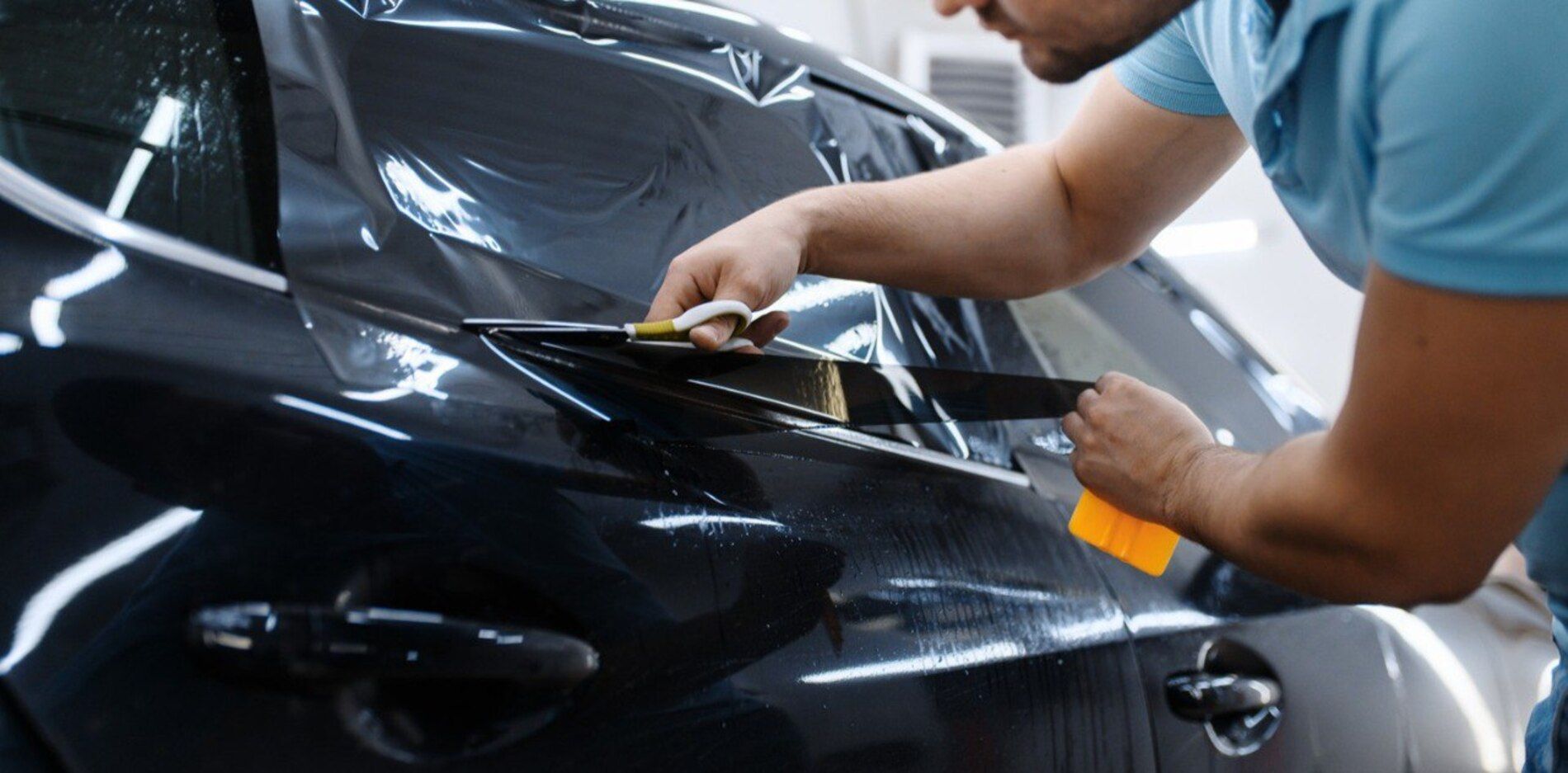
For most drivers, full windshield tint is not allowed in Florida as a general, everyday installation. Florida law typically allows tint on the windshield only in the top area above the AS-1 line as a visor strip. Anything applied below that line can be considered non-compliant unless a specific exemption applies.
That matters because some drivers want a full windshield film for heat rejection and glare control. While those goals are reasonable, Florida’s rules focus heavily on maintaining visibility through the primary viewing area of the windshield.
Common scenarios and how they are treated:
- Dark or medium tint below AS-1 : Typically treated as illegal windshield tint.
- Light or “clear” tint below AS-1 : Still commonly treated as illegal based on placement, even if it is highly transparent.
- Visor strip above AS-1 : Common compliant option when installed correctly.
- Medical exemption : May allow additional tinting or accommodations, depending on documentation and enforcement interpretation.
Because enforcement can be strict, especially when an officer sees film edge lines or reduced clarity in the main viewing area, the best strategy is to design a windshield tint plan that is compliant by placement, not just by film “lightness.” If you want maximum comfort while staying compliant, focus on high performance film on side glass combined with a legal visor strip and proper sun management.
VLT Requirements and How Tint Is Measured
Visible Light Transmission (VLT) is the percentage of visible light that passes through your window. The lower the number, the darker the glass looks. For drivers researching the Florida windshield tint law, VLT matters in two ways:
- Florida has requirements for side windows and rear windows depending on vehicle type.
- Windshield legality is primarily a placement rule, but VLT and clarity still influence how an installation is perceived and tested.
How VLT is tested during a traffic stop
Many agencies use a handheld tint meter that clamps over the glass. The meter shines light through the window and measures transmission. The reading reflects the combined effect of factory glass plus any film installed. This is why a film rated at a certain VLT can measure differently on a real vehicle. For example, factory glass may already block some light, so the final reading can be lower than the film rating alone.
Why this matters in West Palm Beach
Bright sun can push drivers toward darker tint choices, but staying compliant helps you avoid citations and rework costs. It also protects nighttime visibility, which is important during heavy rain, coastal glare, and sudden storm conditions that are common in Palm Beach County.
Quick reference: common VLT language drivers use
- 50% VLT : A lighter tint that can still reduce glare and heat depending on film technology.
- 35% VLT : A common privacy and comfort level for many drivers.
- 20% VLT : Darker appearance and higher privacy, often closer to the edge of compliance depending on window position and vehicle type.
- 5% VLT : Very dark “limo” look, often not compliant for many front window applications.
Legal versus illegal placement comparison (windshield)
- Legal pattern : Film only above the AS-1 line and not extending into the primary viewing area.
- High risk pattern : Film below the AS-1 line, even if it is described as clear ceramic.
- Highest risk pattern : Dark film across the entire windshield.
Because the windshield is critical for safe driving, enforcement often focuses on whether the windshield appears to have aftermarket film below the visor strip boundary. When in doubt, choose a plan that is visually and measurably easy to defend as compliant.
Medical Exemptions and Required Documentation
Florida allows certain accommodations for drivers with medical conditions that require additional protection from sunlight. A medical exemption is not a free pass to tint any glass to any darkness. It is a formal documentation pathway that typically requires a physician’s statement and approval process.
What drivers should expect:
- You need proper medical documentation stating the condition and the need for added sun protection.
- You may need to submit the documentation through the appropriate state process and keep proof in the vehicle.
- Even with an exemption, you should still prioritize safe visibility and professional installation.
Common misconceptions:
- Myth : A medical note means full windshield tint is automatically legal.
- Reality : Enforcement and allowances can still be limited, and visibility standards still matter.
- Myth : Any shop can do “medical tint” the same way.
- Reality : It takes careful planning to balance comfort, documentation, and compliance.
If you are considering an exemption, it is wise to consult a professional installer who understands compliance scenarios and can help you choose a film and layout that is practical for West Palm Beach driving conditions.
Penalties for Illegal Windshield Tint in Florida
Illegal windshield tint can lead to more than a simple warning. Penalties vary by situation, officer discretion, and whether a driver has prior violations. In addition to a citation, the most painful cost is often the rework: removing film, cleaning adhesive, and then paying again for a compliant installation.
Potential consequences drivers report:
- Citations and fines for non-compliant tint.
- Fix-it requirements where you must remove the tint and prove correction.
- Time and inconvenience dealing with removal, reinstallation, and documentation.
- Increased attention during future stops if your vehicle is known for questionable tint.
Compliance tip for Palm Beach County drivers
If you drive frequently on I-95, Florida’s Turnpike, or commute between West Palm Beach, Palm Beach Gardens, Lake Worth, Boynton Beach, Wellington, and Jupiter, you are exposed to more traffic enforcement and more lighting conditions. A clean, compliant windshield setup reduces your risk and keeps your visibility consistent in rain and nighttime conditions.
Compliant Ceramic Windshield Tint for Heat and Glare
Even with placement limits on the windshield, you can still make a major comfort improvement by using modern film technology and a compliance-first plan. High clarity ceramic film is popular because it can reduce heat and glare without relying on extreme darkness. Many drivers are specifically looking for LLumar Auto Window Tint Florida options because LLumar films are known for optical clarity and performance.
What high clarity ceramic tint can help with:
- Heat rejection to reduce cabin temperature and AC workload.
- UV protection to help protect skin and interior materials.
- Glare reduction that improves comfort in bright sun.
- Signal-friendly performance compared with some older metallic films.
How to stay compliant while maximizing comfort
- Use a legal visor strip above the AS-1 line for sun-in-your-eyes moments.
- Choose high performance ceramic tint on side windows where legal VLT limits allow meaningful protection.
- Prioritize optical clarity for safe night driving in heavy rain and glare.
- Keep records of the
film type and installation details in case you need to explain your setup.
Solar X of the Palms helps Palm Beach County drivers build a compliant plan using
LLumar Auto Window Tint products engineered for superior heat rejection, UV protection, and optical clarity. If you want comfort without legal risk, a professional approach matters. The goal is not just tint that looks good on day one, but tint that stays compliant, performs in Florida heat, and supports safe visibility long term.
FAQ: Florida Windshield Tint Rules in Real Life
Is clear ceramic tint below the AS-1 line legal in Florida?
In many everyday enforcement scenarios, tint below the AS-1 line is treated as non-compliant based on placement, even if the film is very clear. If you want the lowest risk setup, keep windshield film to a visor strip above the AS-1 line unless you have an approved exemption and a plan designed for compliance.
How is tint tested during traffic stops in Florida?
Officers may use a handheld tint meter that measures VLT through the glass and film together. Windshield concerns can also be based on visible film edges and perceived obstruction below the visor strip boundary.
Can I tint the entire windshield if I choose a very light VLT?
Florida windshield rules are primarily placement-based, not simply darkness-based. A very light VLT does not automatically make full windshield tint compliant.
Does windshield tint affect night driving visibility?
Any film can affect visibility at night, especially in rain or when facing LED headlights. This is why optical clarity and compliance-focused placement are important. If you are sensitive to glare, discuss lighter, high clarity options and legal placement strategies.
Will windshield tint cause problems with inspections?
Inspection requirements can vary by circumstance. The practical risk is that illegal tint can trigger citations or required removal, regardless of inspection. Staying compliant reduces downstream headaches.
What is the AS-1 line and how do I find it?
The AS-1 line is a manufacturer marking near the top portion of many windshields. A professional shop can help locate it and ensure the visor strip does not extend below it.
What if my windshield already has a factory shading band?
A factory shading band is part of the glass. Adding aftermarket film still needs to follow placement rules. Many drivers choose a visor strip that aligns with the band and stays above the AS-1 line.
Can a medical exemption allow more windshield tint?
Florida provides a pathway for medical exemptions, but it requires documentation and does not eliminate the need for safe visibility. If you have a medical condition, confirm the documentation steps and carry proof.
How can I stay compliant long term after tinting?
Keep your film details, avoid DIY modifications, and choose a reputable installer. If you replace a windshield, recheck AS-1 placement and do not assume the new glass has identical markings or band height.
What is the safest compliant setup for West Palm Beach drivers?
For many drivers, the best combination is a legal AS-1 visor strip plus high performance ceramic film on side and rear windows within Florida limits. This provides meaningful comfort without putting film in the windshield’s primary viewing area.
Conclusion and Next Steps for West Palm Beach Drivers
So,
is windshield tint legal in Florida? In most cases, Florida allows a
visor strip above the AS-1 line, while tint below that line in the main viewing area is generally treated as non-compliant unless a documented exemption applies. The safest way to avoid citations and costly removal is to follow placement rules first, then choose film technology that delivers comfort through heat rejection, UV protection, and glare control.
If you want a compliant plan tailored to Palm Beach County driving conditions,
contact
Solar X of the Palms for a
free estimate. Our team installs
LLumar Auto Window Tint products engineered for superior heat rejection, UV protection, and optical clarity, and we help drivers build a setup that enhances comfort while remaining aligned with Florida regulations. If you are searching for
West Palm Beach window tint you can trust, we are here to help you stay cool, see clearly, and stay compliant.