
What’s the Darkest Legal Car Tint Near Me?
What’s the Darkest Legal Car Tint Near Me?
Introduction (about 150 words)
If you drive in West Palm Beach, you already know the sun can feel relentless. Many vehicle owners want darker
window tint for three big reasons: more privacy at stoplights and parking lots, better heat reduction for comfort, and a cleaner, more upscale look. The challenge is that “dark” is not a single standard. Legal limits vary widely by state, and what is perfectly acceptable in one place can lead to a ticket in another. That is why understanding
Florida window tint laws is essential before you choose a shade. The good news is that you can still get a premium look and serious performance without crossing the line. When you combine the right legal VLT with advanced film technology, you can improve cabin comfort, block UV, and upgrade the appearance while staying compliant. This guide explains how dark you can go in Florida and how to choose the best option near you.
Table of Contents
- 1) How tint darkness is measured and what VLT means
- 2) Florida window tint laws for sedans, SUVs, and trucks
- 3) Factory tinted glass vs aftermarket window film
- 4) Heat rejection and UV protection with legal tint
- 5) Common mistakes when choosing the darkest tint
- 6) How law enforcement checks tint in Florida
- 7) Why professional consultation matters in WPB
- FAQ: Darkest legal window tint Florida
1) How tint darkness is measured and what VLT means
When drivers ask, “ how dark can window tint be ,” the real answer starts with a number called VLT , which stands for Visible Light Transmission . VLT is the percentage of visible light that passes through your window glass and film combined.
Higher VLT means a lighter window. Lower VLT means a darker window.
- 50% VLT means about half of visible light passes through.
- 35% VLT is noticeably darker and is a common legal limit in many states.
- 20% VLT looks much darker and often feels “privacy tint,” but it is not legal on front side windows in Florida.
It is also important to understand that the glass already has some VLT . Your final result is the combination of factory glass and the film you apply. For example, if your glass measures 72% VLT and you apply a 50% film, the combined VLT can land around the mid 30s, depending on the materials.
Quick guide to how VLT looks and feels
| Approx. Final VLT | Appearance | Privacy Level | Daytime Visibility | Night Visibility |
|---|---|---|---|---|
| 50%+ | Light, subtle | Low | Excellent | Excellent |
| 35% to 40% | Medium, clean | Moderate | Very good | Very good |
| 25% to 30% | Dark, privacy look | High | Good | Fair to good |
| 15% to 20% | Very dark | Very high | Fair | Reduced, caution |
In Florida, the key takeaway is this: you can aim for the darkest look possible, but you must do it by matching your vehicle type and window positions to legal VLT requirements.
2) Florida window tint laws for sedans, SUVs, and trucks
To find the
darkest legal window tint Florida allows, you need to look at Florida’s VLT limits by vehicle type. The legal limits also differ by window position. These rules matter for anyone searching for
legal car tint West Palm Beach and nearby areas like Palm Beach Gardens, Lake Worth, Boynton Beach, Wellington, Royal Palm Beach, and Jupiter.
Florida VLT limits (simplified overview)
Always verify current statutes and any updates, but these are the commonly referenced Florida limits:
| Vehicle Type | Front Side Windows | Back Side Windows | Rear Window |
|---|---|---|---|
| Sedan | At least 28% VLT | At least 15% VLT | At least 15% VLT |
| SUV / Van | At least 28% VLT | At least 6% VLT | At least 6% VLT |
| Truck | At least 28% VLT | At least 6% VLT | At least 6% VLT |
What this means for “darkest legal” in West Palm Beach
- If you drive a sedan , your front doors are limited to a lighter tint than your rear doors and rear glass.
- If you drive an SUV or truck , Florida allows much darker tint in the rear, which is why many SUVs can look significantly darker while still be legal.
- Your “darkest legal” plan is often a staggered tint where the front is legal and the rear is darker, within limits.
Reflectivity rules matter too
Florida also limits reflectivity on side windows. Highly mirrored film can bring unwanted attention and can be noncompliant even if VLT is acceptable. A professional shop will help you stay within both VLT and reflectivity rules.
3) Factory tinted glass vs aftermarket window film
One of the most common sources of confusion is the difference between factory tint and aftermarket film. If you are trying to get the darkest legal look, understanding the difference helps you avoid compliance issues.
Factory tinted glass
Many SUVs and trucks come with factory “privacy glass” on rear windows. This is typically tinted glass from the manufacturer rather than a film applied afterward. Factory privacy glass can look darker from the outside, but it does not always deliver the same heat rejection or UV performance as a premium film.
Aftermarket window film
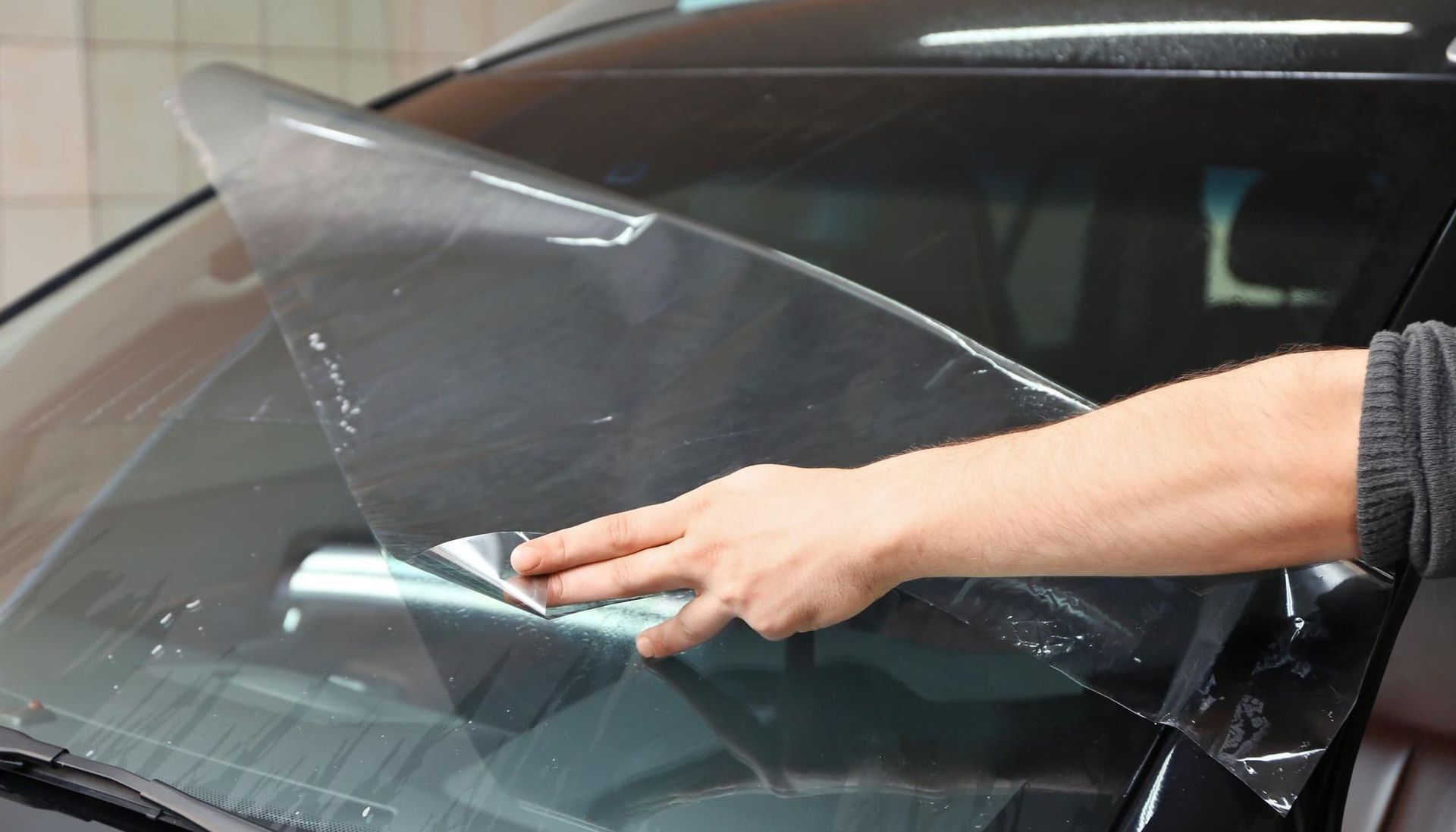
Aftermarket tint is a film applied to the inside of the glass. High quality films can dramatically improve comfort by reducing infrared heat, filtering UV, and reducing glare.
Does factory tint count toward legal limits?
In practical terms, the law considers the window’s overall light transmission. That means your final VLT matters, whether it comes from the glass itself, a film, or both. This is why measuring VLT before
selecting a film is so important.
Why this matters for Florida drivers
- Factory privacy glass may already be dark. Adding film without checking can push you below legal limits.
- Even if you have privacy glass, adding a premium film can significantly improve heat rejection and UV protection .
- A legal tint plan is based on measured VLT, not guesswork.
4) Heat rejection and UV protection with legal tint
A common myth is that you need extremely dark windows to get real comfort. In reality, modern film technology can provide excellent performance even at legal VLT levels. This is especially valuable in South Florida, where the sun and humidity make cabin heat a daily issue.
What matters most is film technology, not just darkness
- UV protection : Quality films can block a large portion of UV rays that contribute to skin exposure and interior fading.
- Infrared heat rejection : Advanced films can reduce heat you feel on your skin, which matters more than visible darkness.
- Glare reduction : Tint can make driving more comfortable and reduce eye strain.
Example performance comparison (general guidance)
Exact results depend on product line and glass type, but this illustrates why legal tint can still feel like a major upgrade.
| Film Type | Typical Look | Heat Comfort Potential | UV Protection Potential | Best For |
|---|---|---|---|---|
| Dyed | Darker appearance | Low to moderate | Moderate | Budget shading |
| Carbon | Rich, stable color | Moderate | High | Better comfort and looks |
| Ceramic | Premium clarity | High | Very high | Maximum comfort and performance |
LLumar window tint in Florida conditions
Solar X of the Palms installs LLumar window tint
products engineered for comfort, privacy, and performance. The right LLumar film can help you reach a dark, refined look while still meeting Florida window tint laws
. For many West Palm Beach drivers, this is the best approach: choose the darkest legal VLT, then maximize performance with a premium film technology.
5) Common mistakes drivers make when choosing the darkest tint
If you want the darkest legal car tint, avoiding a few common mistakes can save you money and headaches.
Mistake 1: Choosing a film number without measuring the glass
Two vehicles can end up with different final VLT even if the same film is applied. Measuring avoids accidental noncompliance.
Mistake 2: Copying a friend’s tint setup from another state
Drivers moving from states with different rules often keep a “dark tint” mindset. Florida limits are specific, and local compliance matters.
Mistake 3: Going too dark on front side windows
The front doors are where drivers most often get cited. If you want to stay safe and legal, treat the front side windows as the compliance anchor.
Mistake 4: Ignoring visibility for daily driving
Very dark tint can reduce visibility at night in rain, in unlit neighborhoods, and when backing up. The best legal shade balances privacy with real world safety.
Mistake 5: Choosing low quality film for a darker look
Cheaper films can fade, turn purple, haze, or bubble. Premium films look better longer and can provide better comfort with less darkness.
Mistake 6: Forgetting reflectivity limits
Even if your VLT is legal, overly reflective film can still create issues. A professional recommendation helps you stay within Florida requirements.
6) How law enforcement checks tint and what happens if it is too dark
In Florida, tint enforcement typically happens during a traffic stop or a roadside check. Officers can use a tint meter to measure VLT. This is one reason why “close enough” is not a strategy.
How tint is checked
- An officer may visually suspect a window is darker than allowed.
- A tint meter measures the light passing through the window.
- The reading is compared to the legal limit for that vehicle and window location.
What happens if your tint is too dark
Consequences can include a citation, fines, and in some cases a requirement to remove or replace the film to become compliant. It can also create repeated stops if the tint remains obviously dark.
Why “darkest legal” should still include a buffer
If you aim for the exact legal minimum, real world variables can matter, including glass variance, film tolerance, and meter differences. A
professional installer can recommend a target that achieves the dark look while staying comfortably within compliance.
7) Why professional consultation ensures legal compliance and optimal performance
Searching “darkest legal tint near me” usually leads drivers to one main goal: get the most privacy and style possible without legal issues. The most reliable way to do that is a professional consultation with a shop that understands Florida rules and product performance.
What a professional consultation should include
- Confirm your vehicle type and window configuration.
- Measure existing glass VLT, especially if you have factory privacy glass.
- Recommend legal film options that match your goals for privacy and heat comfort.
- Review visibility and night driving considerations for your daily routes.
- Install with clean edges, proper curing guidance, and product warranty support.
Solar X of the Palms in
West Palm Beach, FL
If you want a legal, high performance tint setup,
Solar X of the Palms specializes in installing
LLumar window tint options designed to maximize comfort, privacy, and clarity while staying within
Florida window tint laws.
For many drivers, the best strategy is simple: choose the
darkest legal window tint Florida allows for your front side windows, then match the rear to achieve a cohesive look and strong heat reduction across the whole cabin.
FAQ: Darkest legal window tint Florida
What is the darkest legal tint for front windows in Florida?
Florida generally requires front side windows to allow at least 28% VLT. Your final combined VLT is what matters.
What is the darkest legal tint for the rear windows in Florida?
Rear limits depend on the vehicle type. Sedans are typically limited to at least 15% VLT, while SUVs and trucks can often go darker on rear windows within Florida rules.
Does factory tint count toward legal limits?
Yes, the overall window light transmission is what matters. Factory tinted glass plus film can become too dark if not measured.
Can I put 20% tint on my front side windows in Florida?
In most cases, that would be below the legal limit for front side windows. A shop can measure your glass and recommend a legal shade.
Is darker tint harder to see through at night?
Yes, darker VLT can reduce night visibility, especially on unlit roads or in heavy rain. Balancing daily driving safety with privacy is important.
Are medical exemptions available for window tint in Florida?
Florida may allow exemptions for certain medical conditions. Requirements can include documentation and specific compliance steps. Always confirm current rules before tinting.
Are there reflectivity limits for window tint in Florida?
Yes. Florida limits reflectivity on certain windows. Highly mirrored films can be noncompliant even if VLT is within limits.
How do police check window tint in Florida?
Officers can use a tint meter to measure VLT during a stop. The meter reading determines compliance.
Does ceramic tint work even if it is not very dark?
Yes. Many ceramic films provide strong heat and UV performance at legal VLT levels. Technology matters as much as shade.
What is the best legal tint shade for daily driving in West Palm Beach?
Many drivers choose a legal front window shade near the limit, then match the rear for privacy and comfort. A consultation with Solar X of the Palms can help you choose the best legal setup for your vehicle.
Conclusion: Choose the darkest legal tint with confidence
The darkest legal car tint is not about guessing or copying what looks good on another vehicle. It is about knowing your legal VLT limits, understanding how factory glass affects the final reading, and choosing a film that delivers real heat rejection and UV protection without reducing visibility or risking fines. In West Palm Beach and throughout Palm Beach County, the smartest approach is to stay fully aligned with Florida window tint laws while using premium products to maximize comfort and style.
Ready to get the darkest legal look without the stress?
Contact
Solar X of the Palms in
West Palm Beach, FL for expert guidance and professional installation of
LLumar window tint . Ask for a
free estimate and get a tint solution that balances privacy, comfort, performance, and legal compliance.