
Is 70% Windshield Tint Legal in Florida (AS-1)?
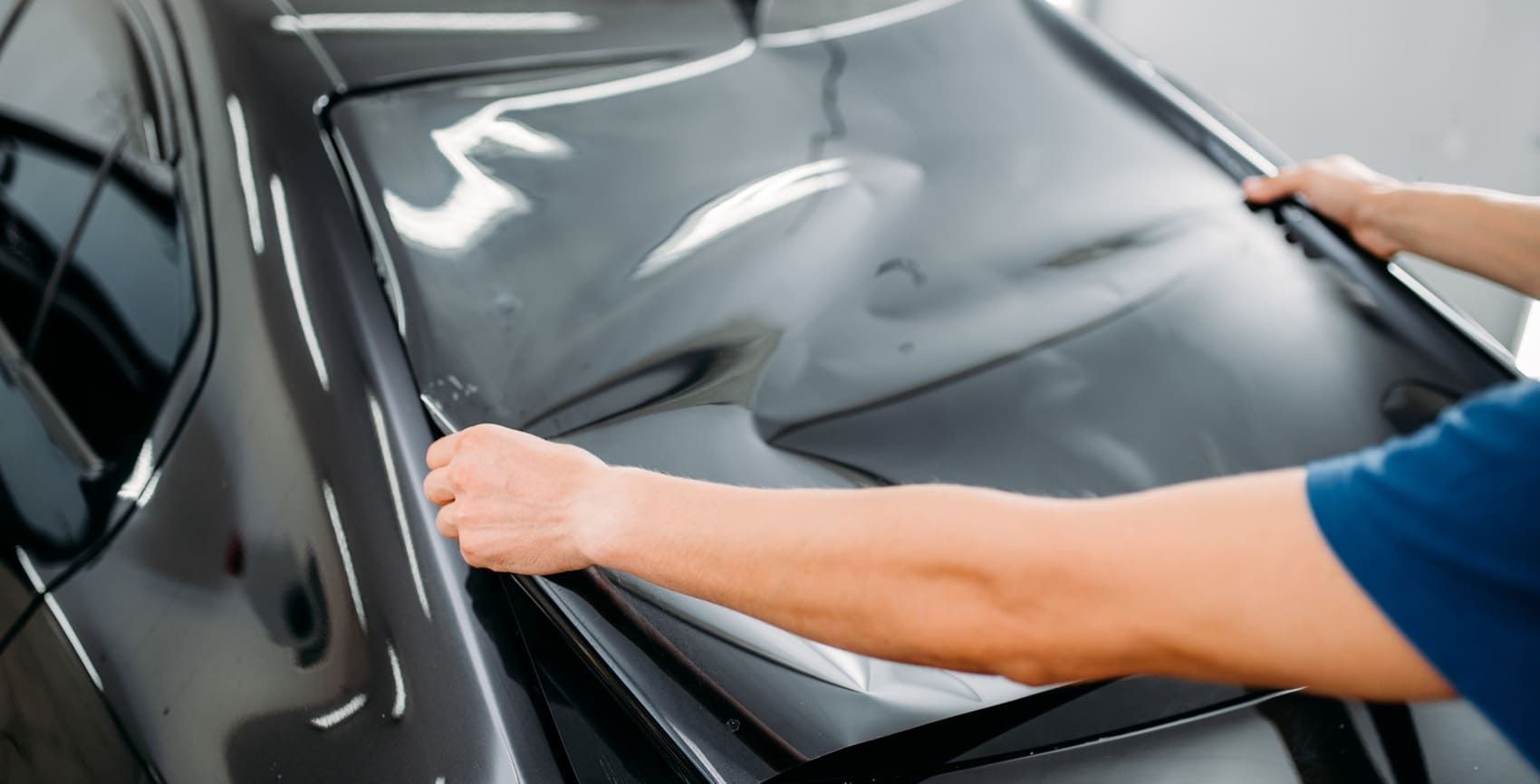
If you are asking whether 70% windshield tint is legal in Florida, the short answer is usually no for the full windshield. Florida law limits aftermarket windshield tint to a narrow non reflective strip above the AS-1 line, and that is where many drivers get confused. People often hear “70% tint” and assume a very light film creates a legal loophole for covering the entire windshield. In reality, the issue is not just how light the film looks. It is where the film is installed. Clear ceramic windshield film adds another layer of confusion because it can appear nearly invisible while still being an aftermarket film on the glass. For many drivers in West Palm Beach, Boca Raton, Delray Beach, Jupiter, and across Palm Beach County, windshield film can be a smart way to reduce heat, UV exposure, and glare. The key is understanding exactly where Florida law allows film and where it does not.
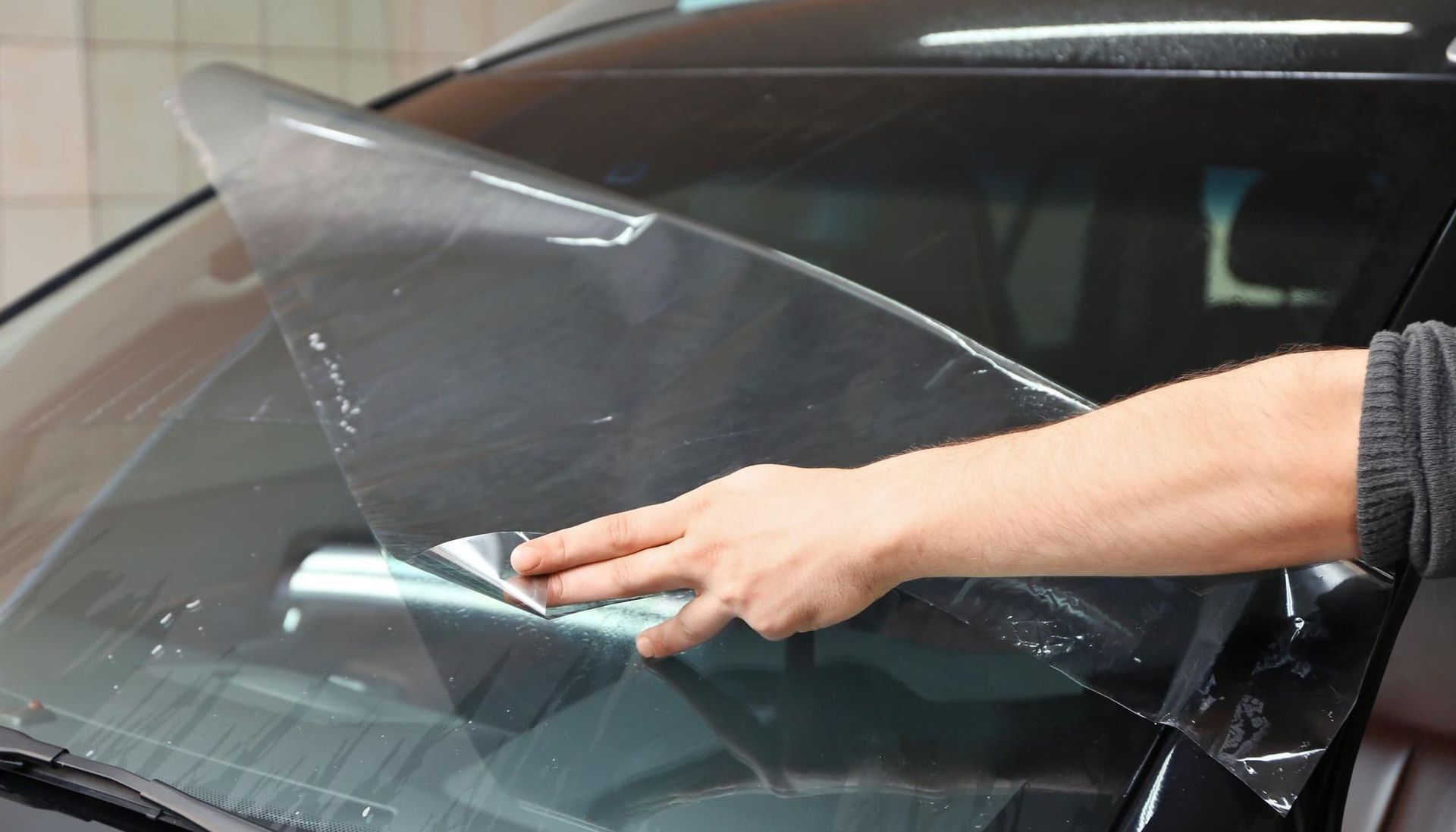
Table of Contents
- What is the AS-1 line and why does it matter
- Florida's windshield tint law explained
- Is 70% VLT film legal below the AS-1 line
- Clear ceramic film versus visible tint on windshields
- What happens if your windshield tint is not compliant
- Legal ways to reduce heat and UV through your windshield
- How a professional installer keeps you compliant
- FAQ
What is the AS-1 line and why does it matter
The AS-1 line is the small marking found near the top of many windshields. It indicates the lowest point where manufacturers allow a top visor strip area on the windshield. In practical terms, it marks the part of the windshield where non reflective tint is generally permitted under Florida tint law windshield rules.
Direct answer: the AS-1 line matters because it helps define the legal boundary for windshield film in Florida. Above it, a non reflective strip may be allowed. Below it, aftermarket windshield film becomes the issue.
Where drivers usually find the AS-1 mark
On many vehicles, the AS-1 marking appears etched or printed near the upper corners of the windshield. Some drivers never notice it until they start researching AS-1 line tint or talk to an installer. The line itself may not always look dramatic, but legally it is important.
Why the AS-1 line is not the same as a full windshield allowance
A major misunderstanding is that a light tint can be installed below the AS-1 line as long as it still looks clear. That is not how the rule is generally understood. The AS-1 area is about location, not a blanket permission for lightly tinted film everywhere else on the windshield.
Why Palm Beach County drivers care about this detail
In South Florida, intense sunlight, heat, and glare push many vehicle owners to search for legal windshield tint Florida solutions. The AS-1 line is the first thing that separates a compliant visor strip from a potentially noncompliant full windshield installation.
Florida's windshield tint law explained
Florida window tint rules treat the windshield differently from side and rear windows. The windshield has the tightest restriction because it directly affects driver visibility.
Short answer: Florida law generally allows only a non reflective strip above the AS-1 line on the windshield, while front side, back side, and rear windows follow separate visible light transmission standards.
How the windshield rule differs from side window rules
Drivers often compare windshield film to the rules for front doors or rear glass, but that comparison can be misleading. Florida side window laws use VLT percentages. The windshield rule focuses first on where tint can be installed at all.
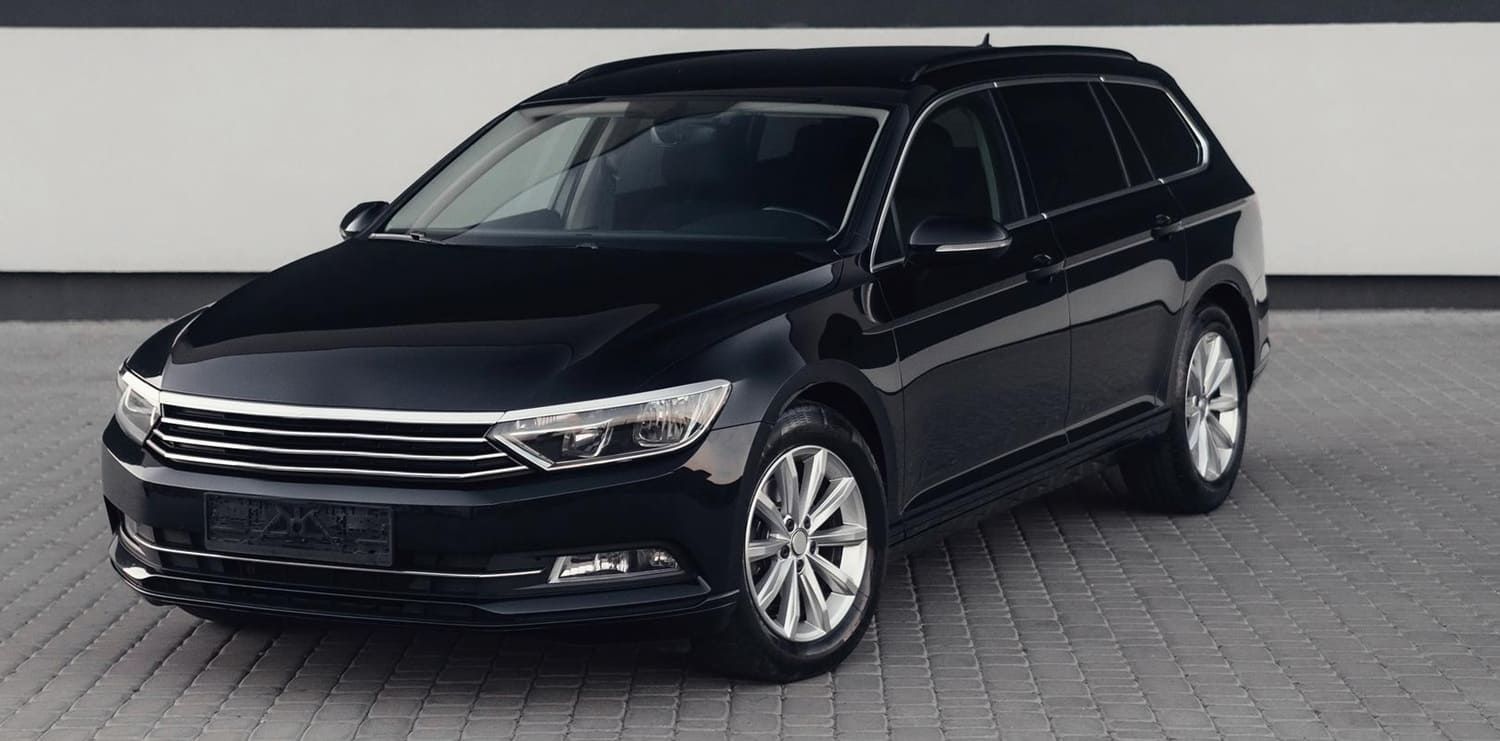
Florida legal tint limits across the vehicle
| Window area | Sedan legal standard | SUV, van, truck legal standard |
|---|---|---|
| Windshield | Non reflective strip above the AS-1 line only | Non reflective strip above the AS-1 line only |
| Front side windows | 28% VLT minimum | 28% VLT minimum |
| Back side windows | 15% VLT minimum | 6% VLT minimum |
| Rear window | 15% VLT minimum | 6% VLT minimum |
Why “70% windshield tint” sounds more legal than it often is
Many drivers hear 70% VLT and assume it must be acceptable because it is very light. But is 70 tint legal in Florida on the full windshield? In most discussions of Florida windshield tint law, the answer remains no because the core issue is installation below the AS-1 line, not just the film shade.
Why full windshield film creates confusion
Clear ceramic windshield film can look close to bare glass. That makes some drivers think it will never matter legally. The challenge is that an officer or inspector may still view it as aftermarket windshield film in an area where Florida law does not generally permit it.
Is 70% VLT film legal below the AS-1 line
For most Florida drivers, the practical answer is no. A 70% film below the AS-1 line is usually not treated as legal simply because it is light. That is the biggest takeaway for anyone searching legal windshield tint Florida or is 70 tint legal in Florida.
Why 70% VLT does not create a legal loophole
Visible light transmission measures how much light passes through the film and glass. A 70% film is light, but it is still film. Once it is installed across the area below the AS-1 line, the legal question becomes about placement on the windshield, not just darkness.
Why drivers confuse clear with legal
Many films marketed as clear ceramic windshield film are designed for heat and UV rejection with very little visible darkening. Because they do not look like traditional tint, drivers may assume they are automatically compliant. That is where mistakes happen.
Could enforcement vary?
In real world situations, enforcement can vary by officer and circumstance, but relying on that uncertainty is not the same as being compliant. If your goal is to avoid a citation, it is smarter to choose an installation approach that clearly fits within Florida's windshield tint restrictions.
Best summary for search intent
Featured snippet style answer: No, 70% windshield film is generally not considered legal below the AS-1 line in Florida just because it is light. Florida law usually limits aftermarket windshield film to a non reflective strip above the AS-1 line.

Clear ceramic film versus visible tint on windshields
Not all windshield films look the same, and that is why this topic creates so much confusion. Visible tint is easier for most people to recognize. Clear ceramic film is much more subtle.
What visible tint does
Traditional visible tint darkens the windshield area where it is installed. That can reduce glare, but it also changes the appearance of the glass more obviously. On a windshield, that tends to draw more attention when the film extends beyond the AS-1 area.
What clear ceramic windshield film does
Clear ceramic film is designed to provide heat rejection, UV protection, and some glare improvement with a nearly invisible appearance. For drivers in West Palm Beach and Palm Beach Gardens, this is appealing because windshield heat load can be intense for much of the year.
Clear does not necessarily mean unrestricted
This is the most important point. A nearly invisible film can still be an aftermarket windshield film. That means its legal status depends on where it is applied, not just how easy it is to see.
Windshield film option comparison
| Option | Legal status in Florida | UV rejection level | Heat rejection level | Visible light transmission | Glare reduction | Risk of a citation | Typical cost |
|---|---|---|---|---|---|---|---|
| AS-1 strip only installation | Generally legal when non reflective and kept above the AS-1 line | Limited because coverage area is small | Limited because coverage area is small | Varies by film selected | Good for sun angle at the top of the windshield | Low when installed correctly | Lowest |
| Full windshield clear ceramic film | Often viewed as noncompliant below the AS-1 line | High depending on product | Moderate to high depending on product | Usually high or nearly clear | Moderate | Higher because the entire windshield is covered | Higher |
| No windshield film | Fully compliant | Depends on factory glass only | Depends on factory glass only | Factory glass only | None beyond factory glass | None | None |
Why LLumar clear ceramic film gets attention
For drivers who want premium performance with a nearly invisible finish, LLumar clear ceramic film is often considered an attractive option. Solar X of the Palms uses LLumar window film products and can help vehicle owners understand where clear ceramic film fits best for heat and UV control while staying focused on compliant installation choices.
What happens if your windshield tint is not compliant
If your windshield film does not comply with Florida rules, you may face more than just a casual warning. The most immediate concern is a traffic stop and a citation.
What law enforcement may look for
Officers often notice windshield film when it changes the appearance of the glass, extends noticeably below the legal strip area, or is combined with already dark side windows. A film does not have to look extremely dark to prompt questions.
Possible consequences of noncompliant windshield tint
Consequences may include a citation, the inconvenience of being stopped, and the cost of removing or replacing the film. For many drivers, the real frustration is paying for a premium installation and then paying again to correct it.
Can you get a ticket for clear windshield film?
Yes, potentially. A clear film can still lead to a citation if it is treated as aftermarket tint installed where Florida does not generally allow it. That is why the phrase “clear ceramic” should never be confused with “automatically legal.”
What about medical exemptions?
Some drivers ask whether a medical exemption can allow darker or broader windshield tint. Because exemption rules and documentation requirements can change, that question should be verified before anyone assumes an exception applies.
Legal ways to reduce heat and UV through your windshield
The good news is that drivers do have legal ways to improve comfort, reduce sun exposure, and protect interiors without taking unnecessary risks under windshield tint Florida law.
Option 1: Use a compliant AS-1 strip
A properly installed visor strip above the AS-1 line can help reduce glare from high sun angles. It is not a full heat solution, but it is the most straightforward windshield film approach from a legal standpoint.
Option 2: Upgrade the side and rear windows strategically
For many vehicles, a large share of cabin heat enters through side and rear glass. High quality film on those windows can improve comfort significantly while staying within legal VLT requirements for the vehicle type.
Option 3: Choose premium film technology
Higher performance film technology often gives drivers better UV and heat control without forcing them into darker shades. This is where premium LLumar film can be valuable for Palm Beach County drivers who want better performance from legal installations elsewhere on the vehicle.
Option 4: Use sunshades and smart parking habits
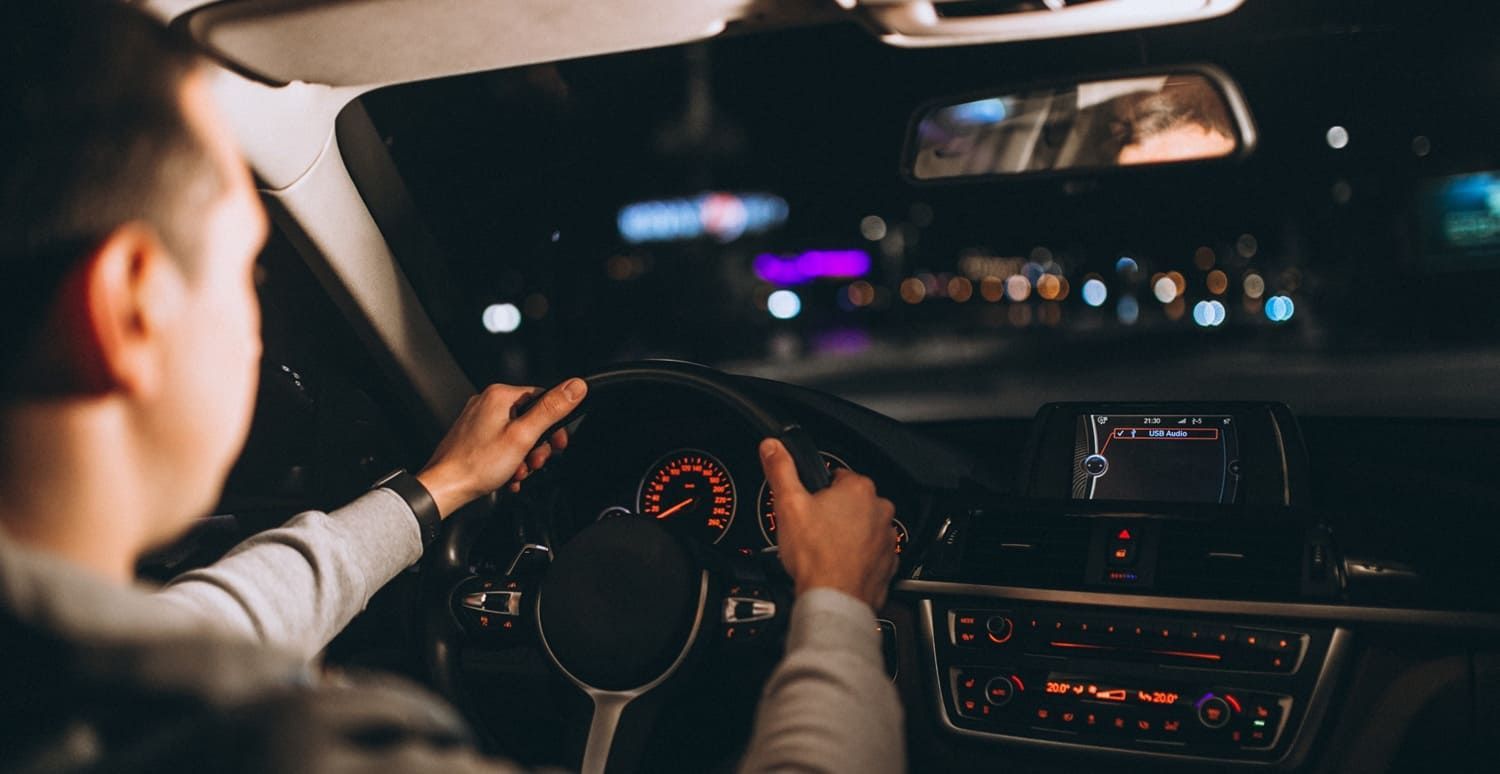
Windshield sunshades, covered parking, and thoughtful vehicle positioning can still make a meaningful difference in South Florida heat. These solutions are simple, low risk, and often overlooked.
Bottom line: if your main goal is UV and heat protection without breaking the law, the safest path is to combine a compliant windshield approach with high quality film on the other windows and practical sun management habits.
How a professional installer keeps you compliant
A professional installer does more than apply film. They help you understand where the law draws the line, what products fit your goals, and how to avoid expensive mistakes.
They identify the AS-1 boundary correctly
An experienced shop should know how to locate the AS-1 line and explain what can be installed above it. This is especially important for drivers who are comparing an AS-1 strip to a full windshield film idea.
They discuss legal risk honestly
A reputable installer should be clear about the difference between what is popular, what looks subtle, and what is likely to be compliant. That clarity matters more than sales language.
They recommend product technology, not just darkness
For many customers, the best result comes from selecting a premium film system for the side and rear windows while keeping the windshield treatment within a compliant format. That is a smarter long term strategy than chasing a full windshield look that may create legal problems.
Why local experience matters in Palm Beach County
Drivers in Boynton Beach, Royal Palm Beach, Lake Worth, and surrounding areas deal with intense sun, glare off pavement, and long warm seasons. A local professional understands these conditions and can recommend practical solutions that balance comfort, visibility, and compliance.
Why Solar X of the Palms is positioned for this conversation
Solar X of the Palms uses LLumar window film products as an Authorized LLumar Dealer and Vista Window Film Dealer. For drivers exploring clear ceramic windshield film, legal windshield tint Florida questions, or full vehicle heat control, the shop can help evaluate compliant options and recommend premium LLumar solutions with a nearly invisible finish where appropriate.
FAQ
What is the AS-1 line on a windshield?
The AS-1 line is a marking near the top of the windshield that helps define the area where a non-reflective visor strip may be allowed.
Is any tint legal below the AS-1 line in Florida?
For practical purposes, Florida law generally restricts aftermarket windshield film to the area above the AS-1 line, not below it.
Is 70% clear ceramic film legal on a full windshield?
Usually no. A 70% or nearly clear film is still generally treated as aftermarket windshield film if it covers the area below the AS-1 line.
Can I get a ticket for clear windshield film?
Yes. Even clear ceramic film can lead to a citation if it is installed on the windshield in a way that does not comply with Florida rules.
Does clear ceramic film block UV rays if it is not tinted?
Yes. Many clear ceramic films are designed to provide meaningful UV protection without looking dark.
How much of the windshield can legally be tinted?
In Florida, a non-reflective strip above the AS-1 line is the commonly accepted legal allowance for windshield tint.
What is the fine for illegal windshield tint in Florida?
Penalties can involve a citation and the cost of correcting the issue, but drivers should verify the current enforcement details that apply to their situation.
Can I get a medical exemption for windshield tint?
Possibly, but any exemption depends on current state rules and required documentation, so it should be verified before relying on it.
Does windshield film reduce glare while driving?
It can. Both visor strips and some clear ceramic films may help with glare, although the legal installation area matters.
How do I know if my windshield film is compliant?
The safest way is to work with a professional installer who understands the AS-1 line, Florida windshield tint law, and the difference between legal strip installations and broader windshield coverage.
Conclusion
If you are researching whether 70% windshield tint is legal in Florida, the key point is simple: Florida law generally allows aftermarket windshield film only as a non reflective strip above the AS-1 line, not across the full windshield below it. That is why a light 70% film is not a reliable legal workaround. For Palm Beach County drivers who want better UV protection, heat control, and a cleaner driving experience, the smartest path is a compliant installation strategy built around where film is legally allowed and where premium performance matters most. LLumar clear ceramic film can be an excellent high performance option when used correctly, especially for drivers who want a nearly invisible finish and meaningful comfort benefits. If you are in West Palm Beach or nearby, contact Solar X of the Palms for a free estimate and compliant windshield film installation using LLumar products.