
What VLT Is Best for Night Driving on Florida Roads? A Guide for West Palm Beach & Palm Beach County Drivers
Florida drivers face a tricky trade-off when choosing window tint: the same dark shade that feels perfect for blocking blinding afternoon sun can make night driving noticeably harder. If you've ever driven home after dark and felt like you were squinting more than usual, straining to see pedestrians, or struggling with glare from oncoming headlights through your own tinted windows, VLT — Visible Light Transmission — is likely the reason.
For drivers throughout West Palm Beach, Boynton Beach, Boca Raton, Jupiter, Fort Lauderdale, Stuart, and the surrounding Palm Beach County area, choosing the right VLT isn't just about style or how dark you want your windows to look. It directly affects how safely and comfortably you can see the road once the sun goes down. In this guide, Solar X of the Palms breaks down what VLT actually means, how it affects night visibility, and what Florida law allows so you can make an informed choice.
What Does VLT Actually Mean?
VLT stands for Visible Light Transmission — the percentage of visible light that's allowed to pass through your window glass and film combined. A higher VLT percentage means more light gets through (a lighter, more see-through tint), while a lower VLT percentage means less light gets through (a darker tint).
For example, a 50% VLT film allows half of the available light through the glass, while a 15% VLT film allows only 15% through, resulting in a much darker appearance. This single number is the key factor in both how your tint looks and how well you can see through it — especially at night, when there's far less ambient light to begin with.
Why VLT Matters More at Night Than During the Day
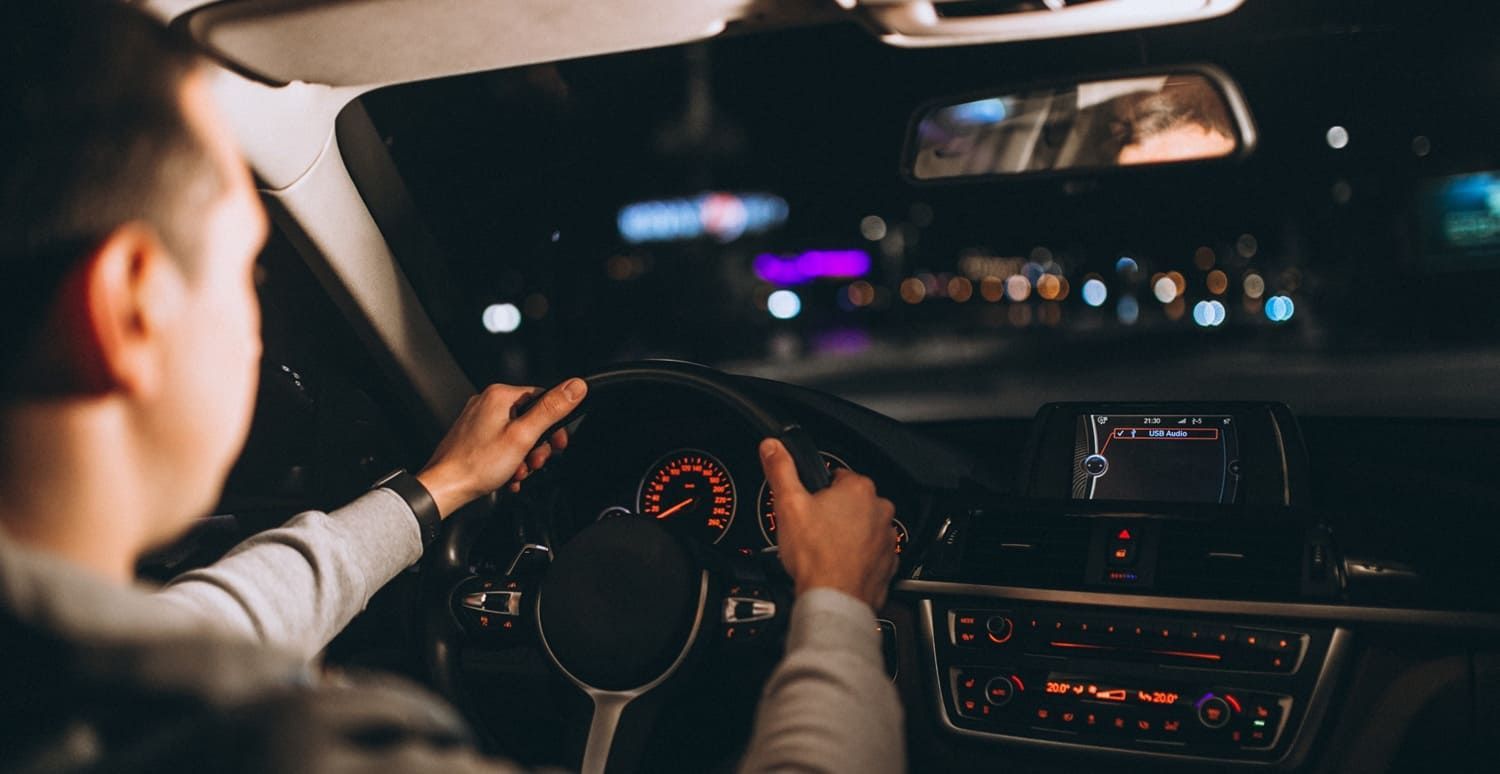
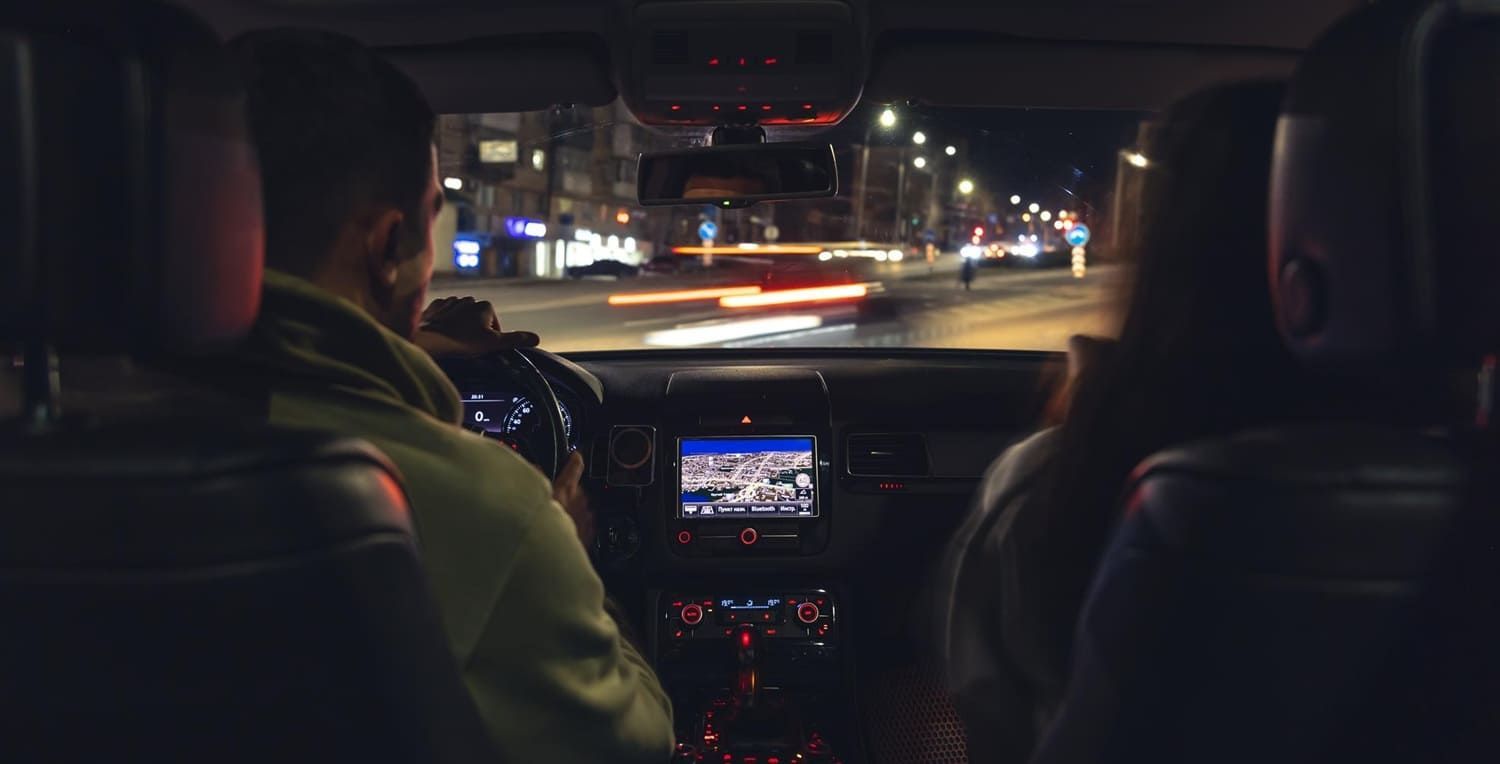
During the day, Florida's intense sun provides more than enough light for even darker tints to still allow reasonable visibility. But once the sun sets, the equation changes completely. There's dramatically less ambient light available, and your eyes are relying on whatever light does exist — streetlights, headlights, moonlight — to see clearly.
A tint that felt perfectly comfortable during a bright Florida afternoon can feel significantly darker and more restrictive after dark, simply because there's less light for it to work with in the first place. This is especially relevant on Florida's less-lit rural roads and highways, where reduced visibility can make a real difference in reaction time.
Florida's Legal VLT Limits by Window
Before choosing a VLT for night driving comfort, it's essential to understand what Florida law actually allows. Florida's tint darkness laws, last updated in 2015, set specific minimum VLT requirements that differ by window and by vehicle type.
| Window | Sedans | SUVs & Vans |
|---|---|---|
| Windshield | Non-reflective tint allowed above AS-1 line only | Non-reflective tint allowed above AS-1 line only |
| Front side windows | Must allow more than 28% light in | Must allow more than 28% light in |
| Back side windows | Must allow more than 15% light in | Must allow more than 6% light in |
| Rear window | Must allow more than 15% light in | Must allow more than 6% light in |
Notice that front side windows — the ones directly beside the driver, which matter most for checking blind spots and seeing pedestrians or cyclists at night — carry the strictest minimum VLT of any window in Florida, regardless of vehicle type. This isn't accidental; it reflects how critical visibility through these windows is for safe driving, day or night.
Which VLT Is Best for Night Driving?
While Florida law sets the legal minimums, "legal" and "ideal for night visibility" aren't always the exact same thing. Here's how different VLT ranges tend to perform after dark.
Higher VLT (28–50%): Best Overall Night Visibility
Films at or near Florida's 28% legal minimum for front windows — or lighter, in the 35–50% range — tend to offer the clearest, most natural night visibility. These shades let in more ambient and headlight light, reducing eye strain and making it easier to spot pedestrians, cyclists, or hazards at the edge of your headlights' reach.
Mid-Range VLT (15–20%): A Common Balance Point
Many drivers choose mid-range tint for rear and back side windows, balancing style and privacy with reasonably manageable night visibility. Since Florida allows 15% VLT for sedan rear and back side windows, this range is legal and popular — but it's worth noting that this darkness is intended for rear visibility only, not your primary field of view through the front side windows.
Very Dark VLT (5–6% and below): Style-Focused, More Challenging at Night
Extremely dark "limo tint" shades in the 5–6% VLT range — sometimes chosen for SUV or van rear and back side windows, where Florida law allows lower minimums — dramatically reduce visibility after dark. While legal in the correct window positions for SUVs and vans, this level of darkness is generally not recommended anywhere it would affect your direct line of sight while driving, and even in rear windows, it can make reversing at night noticeably harder without relying on mirrors and backup cameras.
Why Front Side Windows Deserve Extra Consideration at Night
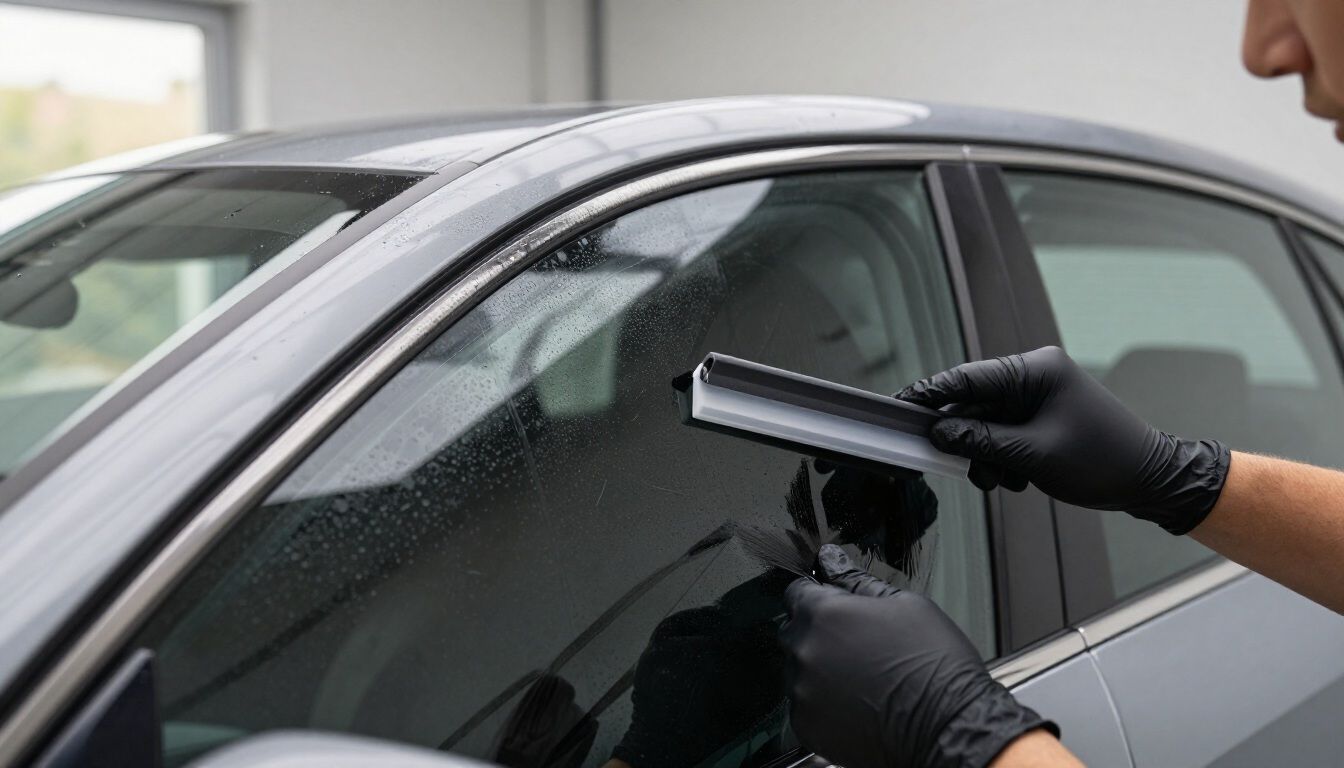
Florida law already requires front side windows to stay above 28% VLT — the highest minimum of any tinted window — and there's good reason many drivers choose to stay closer to that legal minimum (or lighter) rather than pushing right up against it. These are the windows you rely on most for checking mirrors, judging cross-traffic, watching for pedestrians stepping off curbs, and general side visibility, all of which become more difficult in low light. Choosing a VLT on the lighter end of what's legal for these windows is one of the simplest ways to keep nighttime visibility strong without sacrificing tint altogether.
Balancing Heat Rejection With Night Visibility
One common misconception is that a lighter VLT means giving up on heat and UV protection. That's not necessarily true. Modern window films — including the LLumar and Vista films installed by Solar X of the Palms — use advanced technology to reject significant solar heat and UV rays regardless of how dark or light the shade is. This means Florida drivers don't have to choose between comfort during the day and visibility at night; a lighter VLT film can still block harmful UV rays and reduce cabin heat effectively, while preserving much better nighttime clarity than a dark, style-driven shade would.
Tips for Choosing the Right VLT for Your Driving Habits
- Consider how much night driving you actually do. If you regularly drive after dark — commuting, running evening errands, or driving in low-light areas — leaning toward the lighter end of Florida's legal VLT range for your front windows is worth prioritizing.
- Think about where you'll be driving at night. Well-lit city streets in West Palm Beach are more forgiving than darker rural roads in the surrounding areas, where extra visibility matters more.
- Remember that legal doesn't always mean ideal. Just because a shade is legal doesn't mean it's the most comfortable or safest option for your specific driving patterns.
- Ask your installer about film technology, not just darkness. A quality film can offer strong heat and UV rejection even at a lighter VLT, so you're not sacrificing comfort to gain night visibility.
- Get a professional consultation before deciding. An experienced installer can walk you through how different VLT percentages will actually look and perform on your specific vehicle.
Frequently Asked Questions
What is the best VLT for night driving in Florida?
Higher VLT percentages — closer to Florida's 28% legal minimum for front side windows, or lighter — generally offer the best visibility for night driving, since they allow more ambient and headlight light through the glass.
Is dark tint dangerous to drive with at night?
Very dark tint, particularly in the 5–6% VLT range often used on SUV and van rear windows, can noticeably reduce visibility after dark. While legal in the correct window positions, it's worth considering how much night driving you do before choosing the darkest available shade.
Does Florida law require different VLT for daytime versus nighttime driving?
No. Florida's VLT requirements apply at all times, day or night. The legal minimums don't change based on time of day, so it's up to the driver to choose a shade within the legal range that also suits their night driving needs.
Can I get a lighter tint that still blocks heat and UV rays effectively?
Yes. Modern window films, including LLumar and Vista films, are engineered to reject significant solar heat and UV rays regardless of shade darkness, meaning a lighter, more night-friendly VLT doesn't mean sacrificing daytime comfort or protection.
What VLT is required for front windows in Florida?
Florida law requires front side windows to allow more than 28% VLT for both sedans and SUVs/vans — the strictest minimum of any window on the vehicle, reflecting how important that visibility is for safe driving.
Should my front and rear windows have the same VLT?
Not necessarily. Many drivers choose a lighter VLT for front side windows to preserve visibility while driving, and a darker, still-legal shade for rear and back side windows where privacy matters more than direct line-of-sight driving visibility.
Find the Right VLT for Your Driving Needs
Choosing the right VLT is about more than just how your car looks — it's about how safely and comfortably you can see the road, day or night. Solar X of the Palms has been serving West Palm Beach and Palm Beach County drivers since 1972, helping customers find the right balance between style, heat rejection, and night visibility with professionally installed LLumar window film.
Call 561-833-0088 or request a free estimate online, and we'll help you choose a VLT that keeps you comfortable in Florida's daytime sun and confident on the road after dark.