
How Long Does Ceramic Window Tint Last in Florida?
If you've ever parked a car in a West Palm Beach driveway in July, you already know what Florida sun does to glass, dashboards, and upholstery. It's the same sun that eventually turns cheap window tint purple, bubbly, and peeling at the edges — usually within a couple of years. So when Palm Beach County homeowners and drivers start comparing tint options, the first question is almost always the same: how long does ceramic window tint actually last down here?
The short answer is that professionally installed ceramic window film, like the LLumar products installed by Solar X of the Palms, is built to outlast Florida's climate rather than get beaten by it. On vehicles, ceramic tint is backed by a lifetime limited manufacturer's warranty for as long as you own the car. On homes and commercial buildings, it typically performs well for 15 to 20+ years, and often longer, without fading, bubbling, or losing its heat-blocking performance. That's a very different lifespan than what you'd get from a bargain dye-based film.
But "how long it lasts" depends on more than just the film itself. It depends on the quality of the ceramic technology, how well it was installed, which direction your windows face, and how much direct South Florida sun they take on every single day. This guide breaks down exactly what determines ceramic tint's lifespan in a Florida climate, how it compares to older films, and what you should expect from a properly installed job in West Palm Beach, Boynton Beach, Boca Raton, Jupiter, and the surrounding Palm Beach County area.
Why Florida's Climate Is Brutal on Window Film
Before getting into lifespan numbers, it helps to understand what window film in Palm Beach County is actually up against, because it's more extreme than in most parts of the country.
South Florida windows face a near-constant combination of intense UV exposure, high heat, and heavy humidity almost year-round. Unlike northern states where window film gets a seasonal break from direct sun, Florida glass is exposed to strong solar energy nearly every day of the year. That constant thermal cycling — glass heating up in direct sun, then cooling at night, day after day — is what causes lower-quality films to break down early.
Here's what specifically degrades window tint over time in this climate:
- UV radiation breaks down the adhesive layer and dyes in cheaper films, causing discoloration
- Intense heat causes films with weak adhesives to bubble or lift at the edges and corners
- Humidity and salt air, common throughout coastal Palm Beach County, can accelerate adhesive failure on lower-grade products
- Direct west- and south-facing sun exposure ages film faster than shaded or north-facing windows
- Frequent window cleaning with the wrong products can wear down poorly bonded film over the years
This is exactly why the type of film matters so much in Florida. A film engineered for a mild climate in the Midwest simply won't hold up the same way on a west-facing living room window in Palm Beach Gardens or a windshield-adjacent side window in Jupiter.
Ceramic Tint vs. Dye-Based Tint: Why the Difference in Lifespan Is So Large
Not all window tint is built the same, and that's the biggest factor in how long it lasts. There are three broad categories worth understanding.
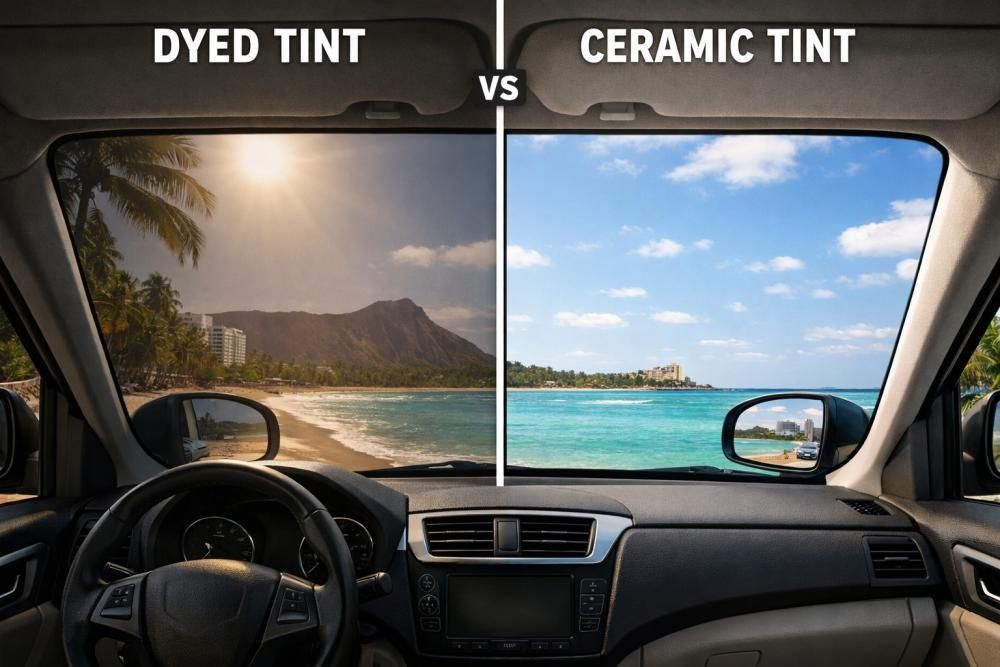
Dye-based film is the cheapest option and works by embedding dye between layers of film to absorb solar energy. It looks dark and can reduce glare initially, but the dye itself is unstable under constant UV exposure. In a climate like South Florida's, dye-based tint commonly starts fading to a purple or brownish hue within 1 to 3 years, and bubbling isn't far behind.
Metalized film uses tiny metallic particles to reflect heat and holds up better than dye film, but it can interfere with radio, GPS, and cell signals, and it tends to have a shinier, less natural appearance. Its lifespan sits somewhere in the middle, often 5 to 8 years before performance starts declining.
Ceramic film uses ceramic (non-metallic, non-conductive) nanoparticles to block heat and UV rays. It doesn't fade, doesn't interfere with electronics, and its performance stays remarkably consistent for the long haul. This is the technology behind LLumar's premium film lines, which is why Solar X of the Palms has standardized on ceramic-based LLumar products for the majority of its residential, commercial, and automotive installations.
| Film Type | Typical Lifespan in Florida | Fading/Discoloration Risk | Heat Rejection Over Time | Signal Interference |
|---|---|---|---|---|
| Dye-Based | 1–3 years | Fading/Discoloration Risk | Declines noticeably | None |
| Metalized | 5–8 years | Moderate | Gradual decline | Can interfere with GPS/radio |
| Ceramic (LLumar) | 15–20+ years (home/commercial); lifetime on vehicles* | Very low — color-stable | Stays consistent | None |
Applies for as long as the original owner has the vehicle, subject to manufacturer's warranty terms.
The gap in longevity isn't marketing spin — it comes down to chemistry. Ceramic particles simply don't degrade under UV exposure the way dye molecules do, which is why ceramic film can be installed once and essentially forgotten for well over a decade in a climate that chews through cheaper alternatives in a fraction of that time.
How Long Does Ceramic Tint Actually Last on a Car in Florida?
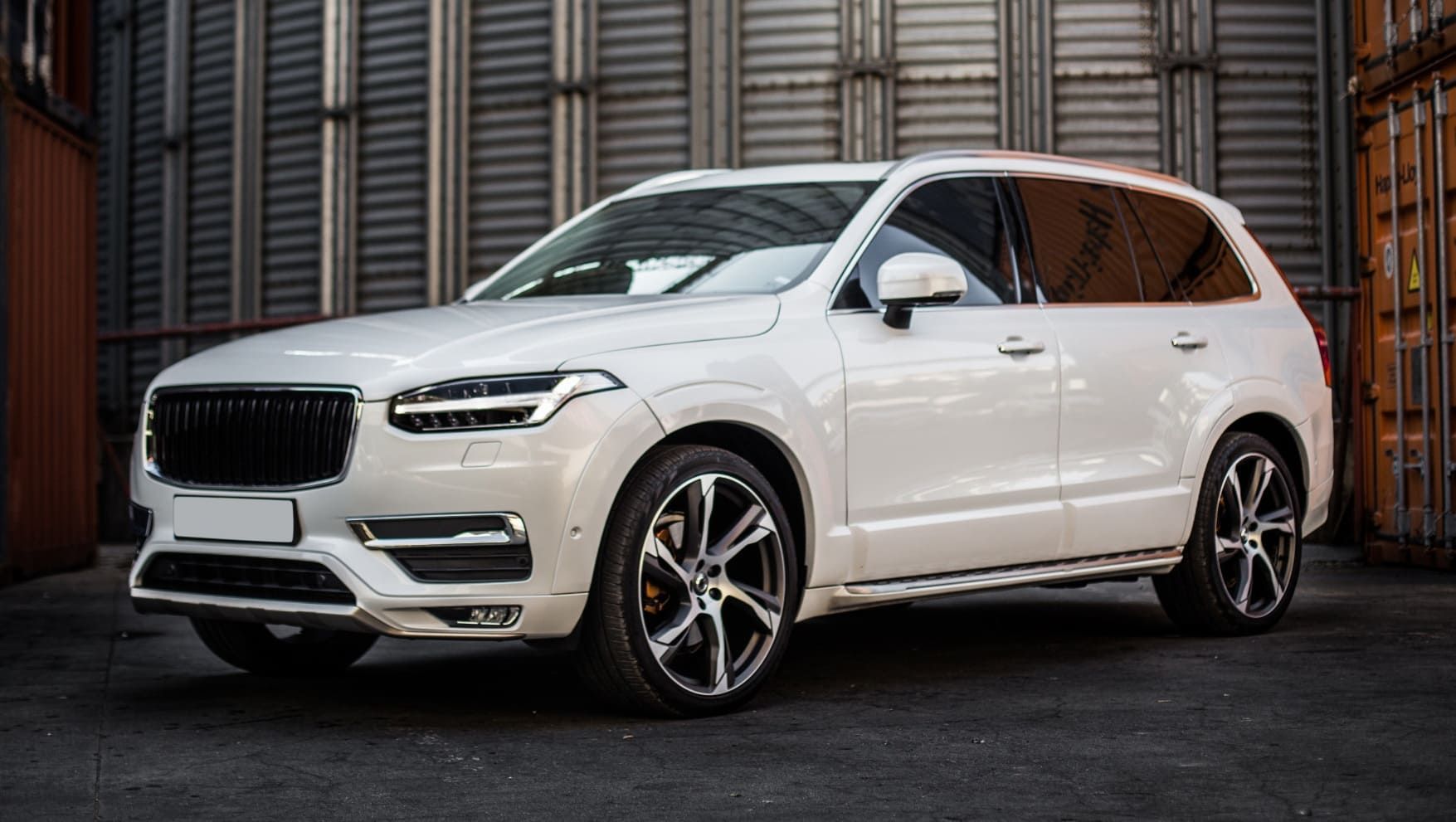
For vehicle owners, this is usually the most practical version of the question, since cars in Palm Beach County spend a lot of time parked in direct sun with interior temperatures that can climb well past 140°F.
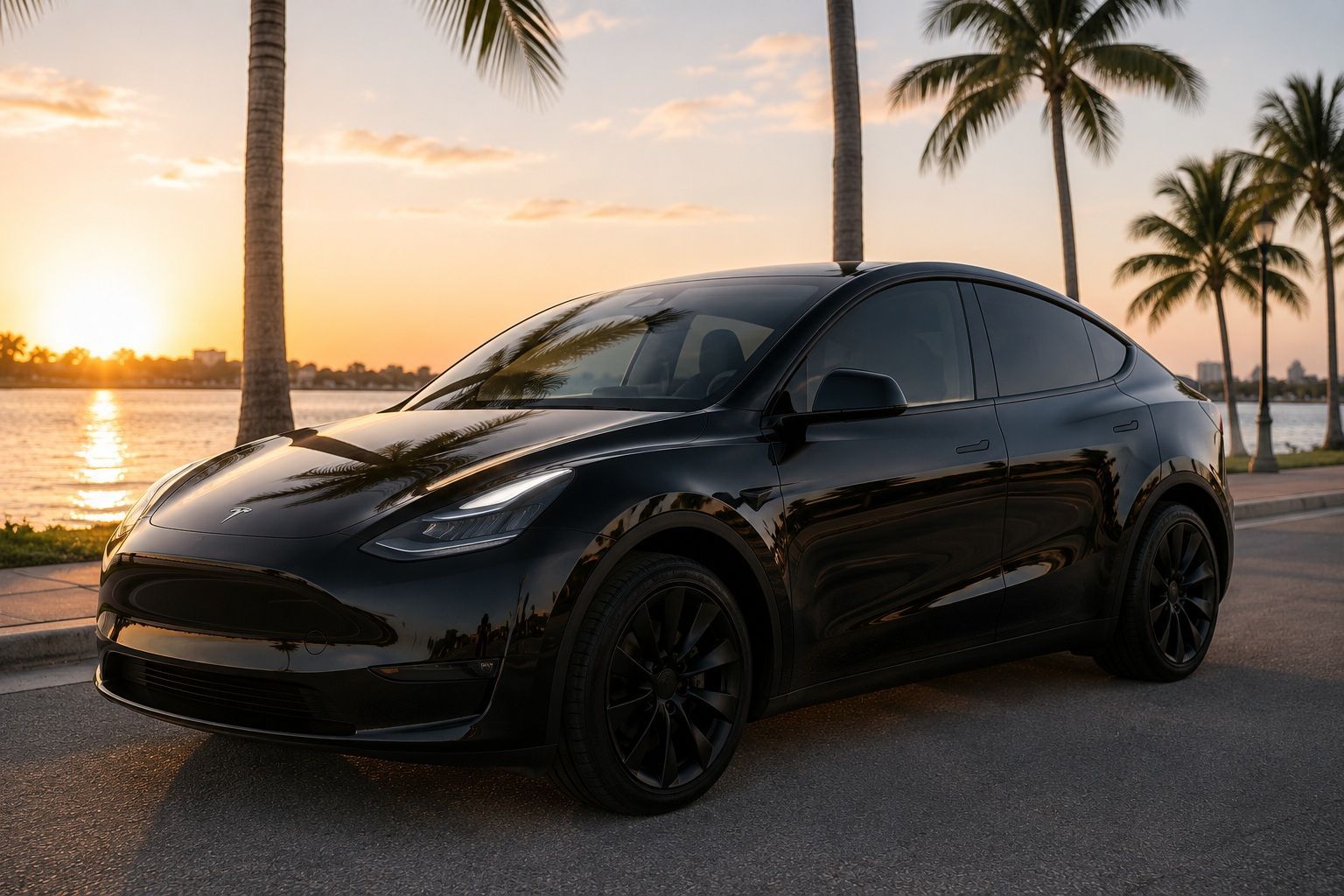
Professionally installed ceramic automotive film, like LLumar's ceramic line, is engineered for color stability, scratch resistance, and long-term adhesion, and it's backed by a lifetime limited manufacturer's warranty covering the film against changing color, bubbling, and cracking for as long as the original owner has the vehicle. In real-world terms, that means most drivers never need to replace ceramic tint on a car unless the glass itself is damaged or the vehicle is sold.
A few practical notes specific to Florida driving conditions:
- Daily direct sun exposure won't shorten ceramic film's lifespan the way it does with dye tint, since the ceramic particles themselves don't break down under UV
- Frequent car washes, including automatic washes, are generally fine once the film has fully cured, which typically takes several days after installation
- Window tint law compliance still matters in Florida, since even a long-lasting film needs to meet the state's legal VLT (visible light transmission) percentages for front and rear windows
If you're comparing quotes for auto tinting in West Palm Beach, Lake Worth, Palm Beach Gardens, or Jupiter, the warranty terms are one of the clearest signals of film quality. A shop offering only a 1–2 year warranty is very likely installing dye or lower-grade metalized film, not true ceramic.
How Long Does Ceramic Tint Last on Windows in a House or Office?
Residential and commercial ceramic film behaves a bit differently than auto film because home and office windows are larger, stationary, and often face intense, unshaded sun for years without interruption — think a west-facing Florida room or a wall of office glass in downtown West Palm Beach.
With professional installation, ceramic residential and commercial window film typically performs well for 15 to 20 years or more, particularly premium LLumar and Vista lines that reject up to roughly 79 percent of solar energy while remaining virtually invisible on the glass. Over that time period, homeowners in Boynton Beach, Boca Raton, Delray Beach, and Stuart can generally expect the film to:
- Maintain consistent heat rejection and energy savings year after year
- Resist fading, discoloration, and bubbling despite constant Florida sun exposure
- Continue protecting furniture, flooring, and artwork from UV-related fading
- Keep interior temperatures more even between rooms, easing strain on HVAC systems
The Role of Professional Installation in Long-Term Tint Performance
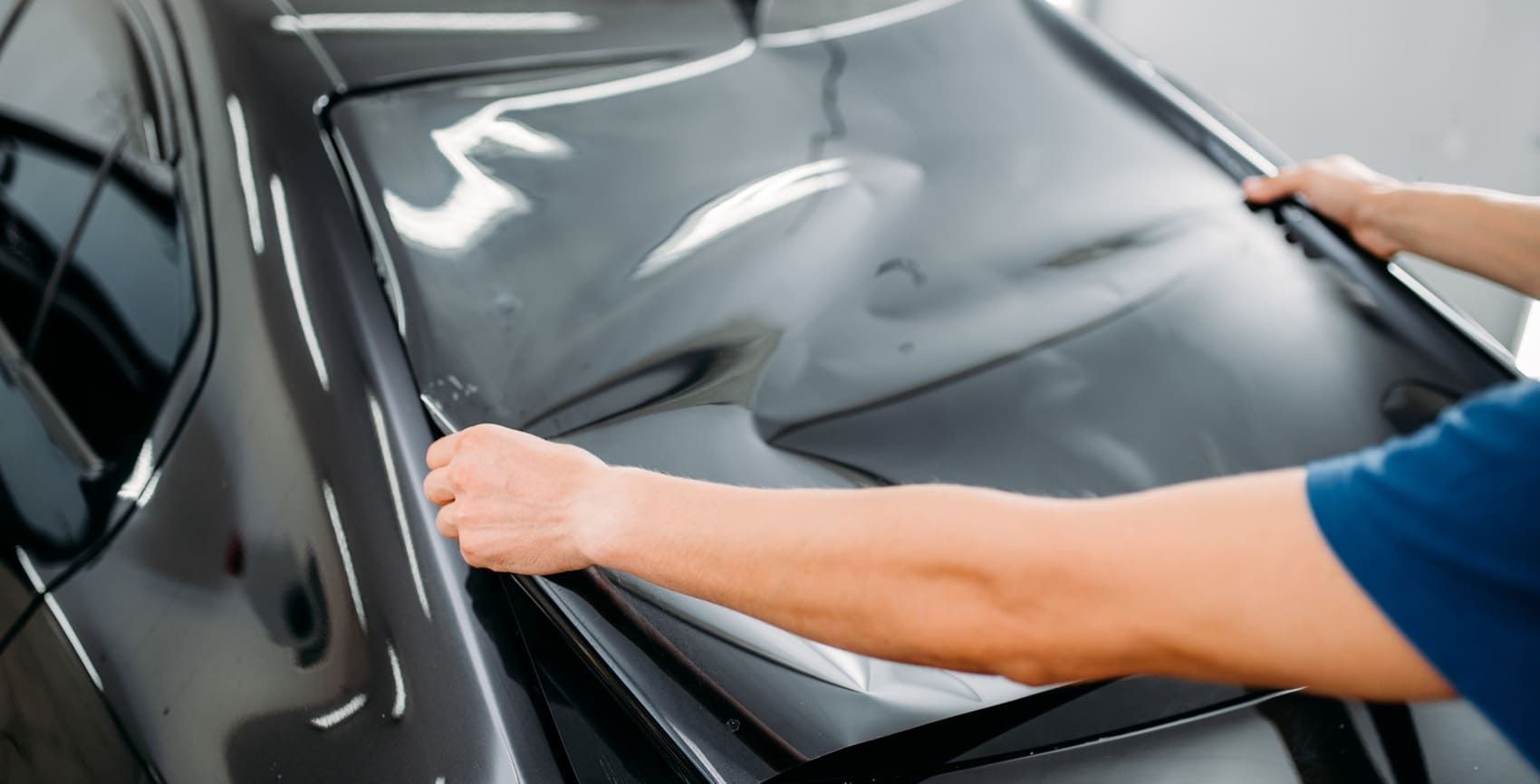
Even the best ceramic film in the world won't reach its full lifespan if it's installed poorly. This is one of the most overlooked factors in how long tint actually lasts, and it's where a lot of DIY kits and budget installers fall short.
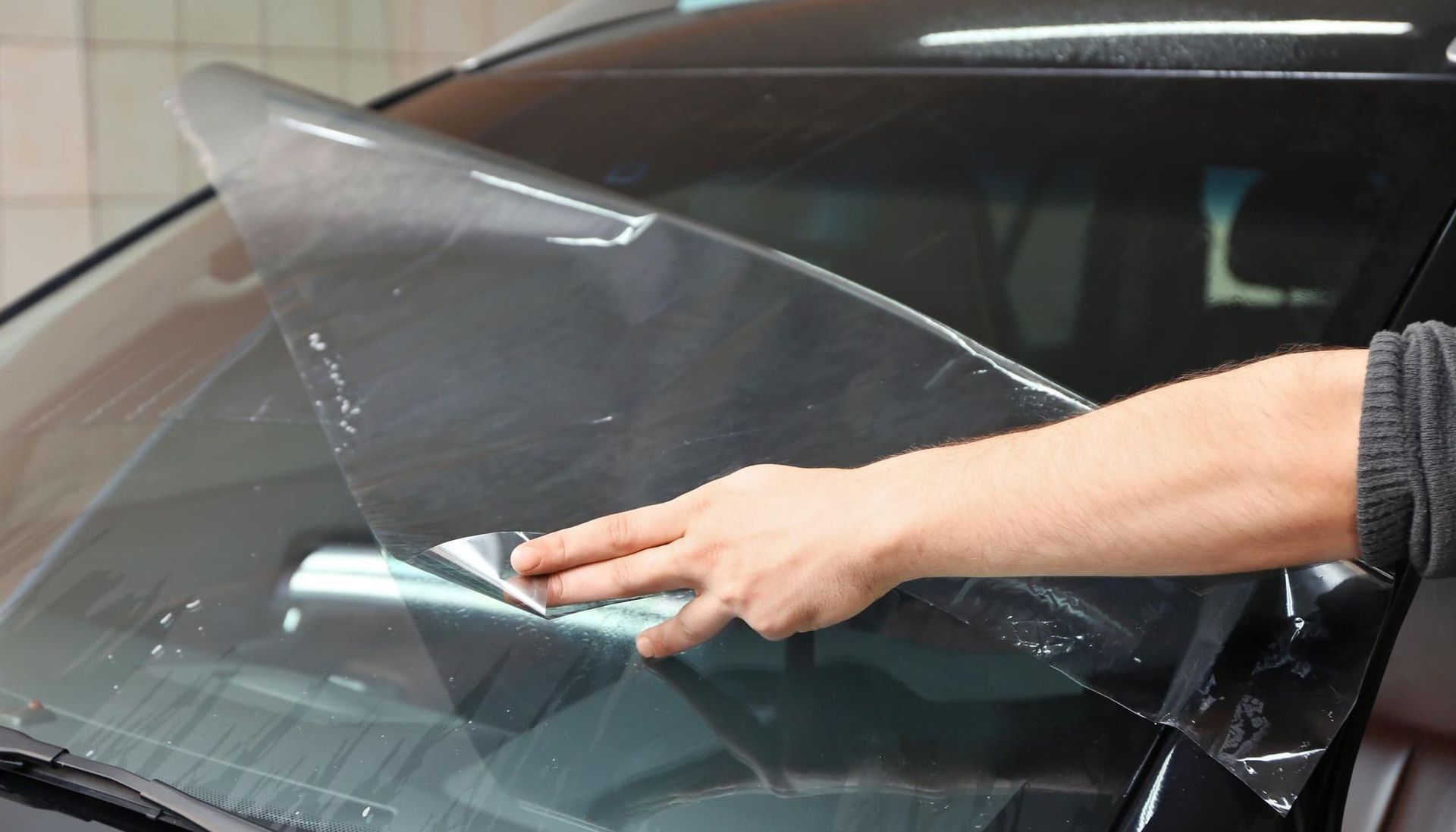
Improper installation commonly leads to trapped moisture or dust under the film, uneven adhesive application, edges that aren't properly trimmed and sealed, and air bubbles that show up months or years later as the adhesive continues to cure. In Florida's heat and humidity, these small installation errors compound faster than they would in a milder climate, turning what should be a decade-plus investment into a film that needs replacing within a couple of years.
This is why an authorized, trained installer matters as much as the film brand itself. Solar X of the Palms has been installing window film in Palm Beach County since 1972 and works as an authorized LLumar and Vista Window Film dealer, which means installations are backed by manufacturer warranties that only apply when the film is installed by a certified dealer using approved techniques. A DIY or uncertified install, even using genuine ceramic film, typically voids that warranty protection entirely.
What Actually Shortens Ceramic Tint's Lifespan (Even Though It's Built to Last)
Ceramic film is the most durable option available, but a few conditions can still shorten its effective lifespan if left unaddressed:
- Pre-existing glass damage, such as scratches or chips, that stresses the film around the flaw
- Abrasive cleaning tools or ammonia-based cleaners, which can degrade the film's protective coating over time
- Physical damage from keys, pet claws, or moving furniture across window film
- Extremely poor-quality "ceramic" film sold under the ceramic label but manufactured with inferior nanoparticle blends, which is common with cheap online kits
None of these are typical outcomes with a properly sourced, professionally installed ceramic product, but they're worth knowing since they're the exceptions that occasionally cut a 15–20 year lifespan short.
Is Ceramic Tint Worth the Higher Upfront Cost?
Ceramic film costs more upfront than dye or metalized alternatives, and that's usually the first hesitation homeowners and drivers have. But when you compare cost against lifespan, the math tends to favor ceramic clearly in a climate like South Florida's.
| Consideration | Dye/Metalized Film | Ceramic Film |
|---|---|---|
| Upfront Cost | Lower | Higher |
| Realistic Lifespan in FL | 1–8 years | 15–20+ years (home); lifetime (auto)* |
| Replacements Needed Over 20 Years | 2–4 times | Rarely, if ever |
| Long-Term Cost | Adds up with each replacement | Effectively a one-time investment |
| Energy Savings Over Time | Declines as film degrades | Stays consistent |
Subject to manufacturer's warranty terms for original vehicle owner.
When a homeowner in Palm Beach Gardens or a driver in Stuart factors in that dye tint might need replacing two, three, or even four times over the same 20-year period that a single ceramic installation would cover, the higher initial cost starts to look a lot more reasonable. It's also worth remembering that with commercial and residential film, the energy savings from reduced solar heat gain (often cited around 5–15% on a building's cooling costs) continue compounding every year the film performs at full strength, which dye and metalized films simply can't guarantee past the first few seasons.
Frequently Asked Questions
How many years does ceramic window tint last in Florida?
On vehicles, professionally installed ceramic film is typically backed by a lifetime limited manufacturer's warranty for as long as the original owner has the car. On homes and commercial buildings, ceramic film generally performs well for 15 to 20 years or more without significant fading or performance loss, assuming professional installation.
Does ceramic tint turn purple or fade like older films?
No. Fading and purple discoloration are almost exclusively a dye-based film problem, since the dye molecules break down under constant UV exposure. Ceramic film uses stable, non-dye nanoparticle technology that resists color change even after many years of Florida sun.
Is ceramic tint really worth the extra cost compared to standard tint?
For most Palm Beach County homeowners and drivers, yes. Ceramic film's dramatically longer lifespan means it often needs to be installed only once, while cheaper films may need replacing two to four times over the same period, which usually makes ceramic the better long-term value.
What warranty comes with ceramic window tint installation?
Manufacturer warranties vary by product line, but LLumar ceramic automotive film typically carries a lifetime limited warranty against color change, bubbling, and cracking for as long as the original owner has the vehicle, while residential and commercial films carry their own manufacturer warranty terms. These warranties generally apply only when the film is installed by an authorized dealer.
Does ceramic tint perform differently on a house than on a car?
The core ceramic technology is similar, but home and commercial window film is engineered for stationary glass and long-term solar heat rejection, while automotive ceramic film also accounts for factors like scratch resistance and legal visible light transmission limits for driving.
Will ceramic tint void my car's factory warranty or violate Florida tint laws?
Reputable installers apply ceramic film within Florida's legal VLT limits for front and rear windows, so a professionally installed job shouldn't create legal issues. It's worth confirming your installer is familiar with current Florida tint law and provides documentation of compliance.
The Bottom Line for Palm Beach County Homeowners and Drivers
In a climate as demanding as South Florida's, the difference between ceramic tint and cheaper alternatives isn't subtle. Dye-based film can start fading and bubbling within a couple of years, while professionally installed ceramic film is built to perform for 15 to 20+ years on homes and commercial buildings, and for the life of the vehicle on cars, without losing its color, clarity, or heat-blocking performance.
If you're weighing tint options for a home in Boynton Beach, an office in downtown West Palm Beach, or a vehicle you plan to keep for years, the lifespan difference alone usually settles the decision. The technology matters, but so does who installs it.
Solar X of the Palms has been installing window film across Palm Beach County since 1972 and is an authorized LLumar and Vista Window Film dealer, serving West Palm Beach, Boynton Beach, Boca Raton, Jupiter, Palm Beach Gardens, Delray Beach, Lake Worth, Stuart, and the surrounding areas. Call 561-833-0088 or request a free estimate to find out which ceramic film option fits your home, office, or vehicle.