
Dyed vs. Carbon vs. Ceramic Tint: Which Lasts Longer in South Florida?
Ceramic tint lasts the longest. A quality ceramic film can last 10 years or more, often for as long as you own your vehicle, without fading, turning purple, or losing heat rejection. Carbon tint is the durable middle option and also resists fading for many years. Low-cost dyed tint wears out fastest, often fading or discoloring within a few years in strong sun. Premium-brand dyed films with color-stable dyes and lifetime warranties narrow that gap considerably.
In West Palm Beach and across Palm Beach County, tint lifespan isn't an abstract question. Year-round sun, high humidity, and coastal heat put window film through more stress than most of the country. The film you choose decides whether your tint still looks sharp and performs well in year ten, or whether it's peeling and purple by year three.
This guide compares dyed, carbon, and ceramic tint on lifespan, heat rejection, appearance, and value, so you can choose a film that lasts in South Florida conditions.
What Is the Difference Between Dyed, Carbon, and Ceramic Tint?
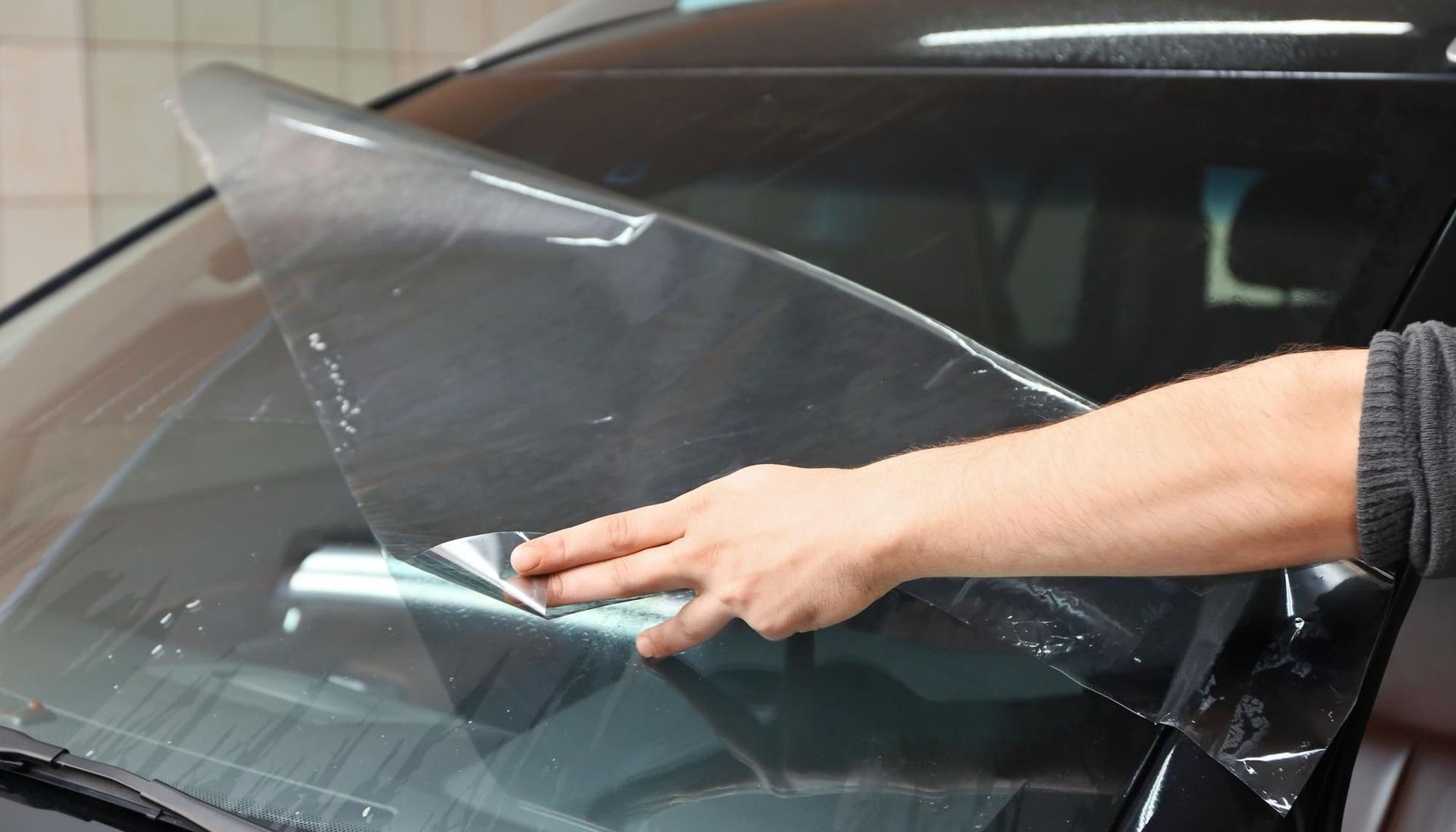
All three are built on a polyester film with an adhesive layer and a protective scratch-resistant coat. What sets them apart is the material that does the work of blocking light and heat.
- Dyed tint uses dye layers to absorb sunlight and darken the glass. It's the most affordable option and gives a classic tinted look.
- Carbon tint blends carbon particles into the film. Carbon doesn't fade like dye does, and it blocks a meaningful amount of infrared heat with a matte, charcoal finish.
- Ceramic tint uses non-metallic, nano-ceramic particles that target infrared heat, the part of sunlight you feel on your skin. It delivers the highest heat rejection with no signal interference.
| Feature | Dyed Tint | Carbon Tint | Ceramic Tint |
|---|---|---|---|
| Typical lifespan | Shortest (budget films can fade in a few years) | Long (resists fading for many years) | Longest (10+ years; often the life of the vehicle) |
| Fading or discoloration risk | Highest with low-cost films | Low | Very low |
| Heat rejection | Good | Better | Best |
| UV protection | High (99%+ with quality films) | High | High (99%+) |
| Glare reduction | Good | Good | Excellent |
| Signal interference | None | None | None |
| Appearance | Classic tint; can turn purple if low quality | Matte charcoal | Clear, true-color charcoal tones |
| Upfront cost | Lowest | Moderate | Highest |
| Long-term value | Fair | Good | Best |
Why Does Tint Wear Out Faster in South Florida?
Window film doesn't wear out the same way everywhere. Palm Beach County's climate is hard on tint for several reasons:
- Intense, year-round UV exposure. South Florida gets strong sun in every season, so films never get a break from UV.
- High heat loads. Parked cars along I-95, in Clematis Street garages, or in open lots in Boca Raton and Jupiter can reach extreme interior temperatures. That stresses the film's dyes and adhesives.
- Humidity and moisture. Constant humidity tests adhesive quality. Poor adhesives can lead to bubbling and peeling over time.
- Salt air. Coastal communities from Juno Beach to Delray Beach expose vehicles to salty, humid air.
Under these conditions, the weaknesses of cheap film show up quickly. Low-grade dye breaks down, bonds fail, and the film fades, bubbles, or turns that telltale purple.
Why Does Cheap Dyed Tint Turn Purple?
Dyed tint relies on dye to absorb light. Over time, UV exposure breaks down that dye. Low-cost dyes break down unevenly, and the colors that hold up longest tend to be reddish and bluish tones. As the other colors fade, the film shifts toward purple and loses much of its ability to block heat and glare.
Not all dyed films are the same, though. Premium dyed films use color-stable dyes built into the film rather than applied only to the surface. LLumar backs its automotive films with
guaranteed color stability and a
lifetime limited manufacturer's warranty against color change, bubbling, cracking, and peeling for as long as you own your vehicle. That's why brand and installer matter as much as film type.
How Long Does Carbon Tint Last?
Carbon tint generally lasts much longer than budget dyed film because carbon particles are naturally stable and don't fade the way dyes can. A quality carbon film typically keeps its color and performance for many years.
Carbon also rejects more infrared heat than standard dyed tint, so it keeps the cabin cooler. Its matte, charcoal look appeals to drivers who want a dark, uniform finish. Carbon films don't contain metal, so they don't interfere with phones, GPS, or keyless entry.
Carbon is a solid middle-ground choice. For drivers who spend a lot of time behind the wheel in South Florida heat, however, ceramic offers a noticeable step up in comfort.
Why Does Ceramic Tint Last the Longest?
Ceramic tint combines the strongest durability with the best performance. Several features explain why:
- Stable, inorganic particles. Nano-ceramic particles don't fade or break down under UV exposure the way dye does.
- No metal content. Ceramic films avoid the corrosion and signal interference that can come with metallized films.
- Superior heat rejection. Ceramic films target infrared heat, so they keep your car cooler without needing to be extremely dark.
- Color stability. Ceramic films hold their true-color charcoal tones over time instead of shifting color.
LLumar's ceramic options include its nano-ceramic
AIR film, a nearly clear tint that blocks more than 99% of UV rays and reduces heat without darkening your windows. It's a great choice for drivers who want protection without a tinted look, or who want to boost factory privacy glass. According to LLumar, its window film can reduce interior surface temperatures by up to 30°F.
Which Tint Type Gives the Best Long-Term Value?
Upfront price is only part of the cost. The real question is how much protection and comfort you get each year, and whether you'll pay to remove and replace the tint later.
| Consideration | Budget Dyed | Carbon | Ceramic |
|---|---|---|---|
| Likelihood of needing replacement | High | Low to moderate | Low |
| Removal and replacement costs over time | Most likely | Possible | Rare |
| Comfort in South Florida heat | Moderate | Good | Excellent |
| Appearance after several years | Often faded or discolored | Typically stable | Typically like new |
| Overall value for long-term owners | Lowest | Good | Highest |
If you plan to keep your vehicle for years, ceramic tint usually delivers the best value. You're less likely to pay for removal and reinstallation, and you get the highest comfort every day you drive.
How to Choose the Right Tint for Your Vehicle
1. Decide How Long You'll Keep the Vehicle
If you're keeping the car for five years or more, invest in carbon or ceramic. If you're leasing short-term or on a tight budget, a premium dyed film with a strong warranty can still be a smart choice.
2. Prioritize Heat Rejection for Daily Driving
Long commutes on I-95, the Turnpike, or Southern Boulevard mean hours of sun exposure. Ceramic delivers the biggest comfort upgrade.
3. Check Florida Tint Laws
Florida limits how dark tint can be on front side windows, back side windows, and rear glass, and the limits differ by vehicle type. A knowledgeable installer will match your film and shade to the law.
4. Look at the Warranty, Not Just the Film Type
A film type tells you about performance. A warranty tells you how long the manufacturer will stand behind it. Look for coverage against fading, color change, bubbling, cracking, and peeling.
5. Choose an Experienced, Authorized Installer
Even the best film fails early if it's installed poorly. Dust, contamination, and bad edge work lead to bubbles and peeling. An authorized dealer with decades of experience protects your investment.
Why Palm Beach County Drivers Choose Solar X of the Palms
Solar X of the Palms has installed window tint in West Palm Beach since 1972. Over more than five decades, the shop has serviced thousands of cars, SUVs, trucks, homes, offices, and boats across Palm Beach, Broward, Martin, and St. Lucie counties.
As an authorized LLumar dealer, Solar X installs LLumar automotive films known for color stability, a patented scratch-resistant coating, and more than 99% UV protection. When professionally installed by Solar X's trained technicians, LLumar auto tint is backed by a lifetime limited manufacturer's warranty against color change, bubbling, cracking, and peeling for as long as you own your vehicle (restrictions apply).
Customers consistently praise owner Larry's product knowledge and honest guidance. He helps every driver choose a film that fits their vehicle, budget, and how they drive.
Want to compare shades before you decide? Use the automotive film viewer on our website, or stop by the shop.
Frequently Asked Questions About Tint Lifespan
Which window tint lasts the longest?
Ceramic tint lasts the longest. Quality ceramic films commonly last 10 years or more without fading, discoloring, or losing heat rejection.
How long does dyed window tint last in Florida?
Low-cost dyed film can start fading or turning purple within a few years in Florida sun. Premium dyed films with color-stable dyes, like LLumar's, are backed by a lifetime limited warranty against color change.
Is carbon tint better than dyed tint?
Yes, in most cases. Carbon tint resists fading better and rejects more heat than standard dyed film. It also has no metal, so it won't interfere with electronics.
Is ceramic tint worth the extra cost?
For most South Florida drivers, yes. Ceramic offers the highest heat rejection, the best long-term color stability, and the lowest chance of needing replacement, which makes it the best long-term value.
Does ceramic tint have to be dark to work?
No. Ceramic films reject heat by targeting infrared energy rather than darkening the glass. Light and nearly clear ceramic films, like LLumar AIR, still reduce heat and block more than 99% of UV rays.
What are the signs my tint needs to be replaced?
Watch for purple or faded color, bubbles, peeling edges, hazy or distorted visibility, and a cabin that feels noticeably hotter than it used to.
Get Long-Lasting Window Tint From Solar X of the Palms
When it comes to lifespan, ceramic tint is the clear winner, carbon is a strong middle option, and budget dyed film wears out fastest in South Florida's sun and humidity. The smartest choice pairs the right film technology with a trusted brand, a real warranty, and expert installation.
Ready to choose a tint that lasts? Contact Solar X of the Palms for a free estimate:
- Call: 561-833-0088
- Visit: 3640 Investment Lane, West Palm Beach, FL 33404
- Hours: Monday–Friday, 8 a.m.–5 p.m.; Saturday, 8 a.m.–2 p.m. or by appointment